
Insert materials
- EVA and sponge foam cut to the product outline
- Velvet, suede and fabric-covered platforms
- Wooden dividers, cradles and removable trays
- Moulded pulp for lower-cost protective blocking
Wooden Packaging
Foam, velvet or wooden inserts that hold every component exactly in place.
The insert is the least visible part of the packaging and the one that decides whether the product arrives in one place. It also sets how the box is read on opening: tightly engineered reads precise, loosely fitted reads cheap.
We lay out the interior around every component that ships in the box — the product, its accessories, the cable, the manual — so each has its own position and nothing can migrate into the product during transit.
The brief behind it
It helps to think of an insert as a locating device rather than as padding. Its job is to give every component a defined position and to prevent relative movement. Padding is what you add when the locating job has not been done properly.
Good inserts are designed from the component list. Each item gets a cavity sized to its outline plus removal clearance, and the cavities are arranged so that removing one item does not disturb the next. That is why the layout is drawn before the material is chosen.
Material then follows function. Foam gives the most control over cavities and is the standard for fragile items; moulded pulp is cheaper and more sustainable but less precise; wooden dividers give structure and a premium feel where the components are rigid.
What you can specify
Every point below is developed with you and confirmed on a physical sample before production.
Send the product dimensions, an approximate quantity and the date you need it. We come back with structure, material and finish options — and a clear quotation.
Start a projectAt a glance
The six decisions that define this product. Change one and the cost, weight and lead time move with it.
From our catalogue
Real pieces from our supplier catalogue. Click a photo to enlarge it; click a name to open the item. Your own version is developed to order around your product.
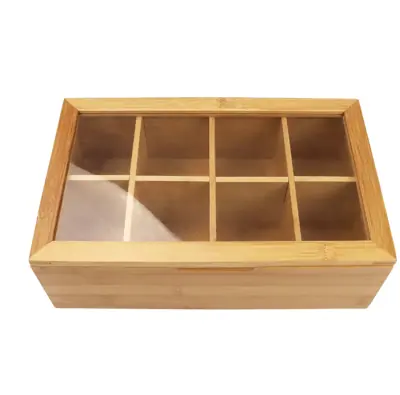 Bamboo 8-Compartment Glass-Lid Box
CWB-BOX-008
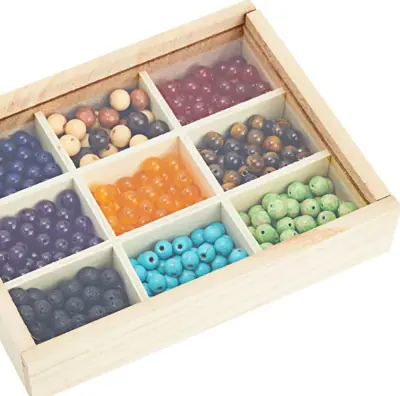 Pine 9-Compartment Bead Sorter
CWB-BOX-070
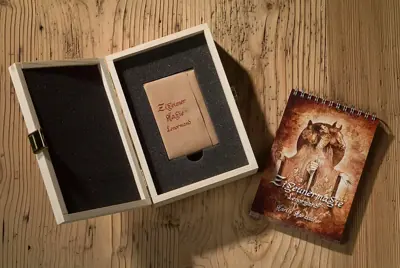 Gift box with foam insert
SCH-BOX-273
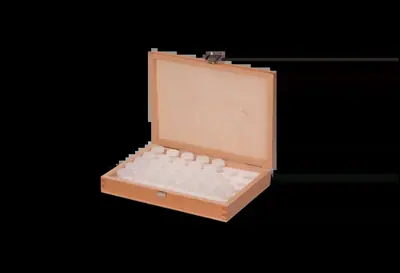 Wooden box with foam inlay
SCH-BOX-335
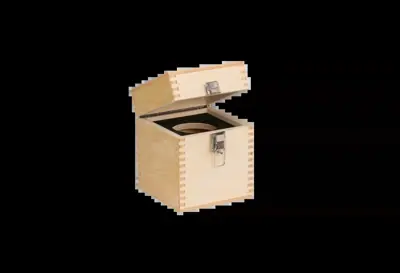 Wooden box with foam wood inlay
SCH-BOX-336
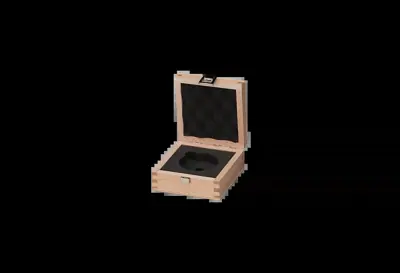 Wooden case with foam inlay
SCH-BOX-341
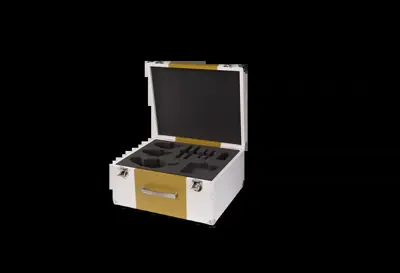 Wooden case with foam insert
SCH-BOX-342
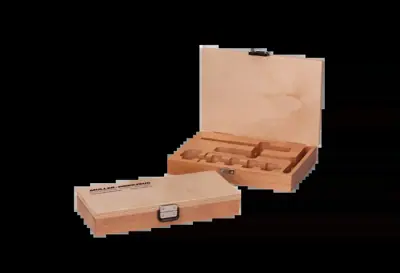 Wooden case with wooden insert
SCH-BOX-345
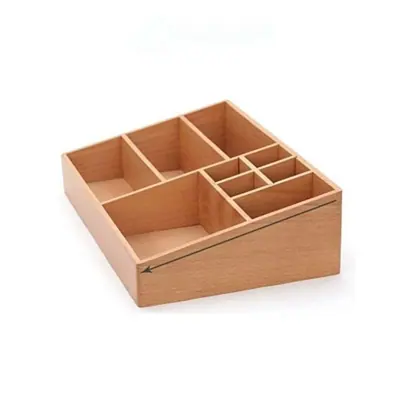 Classical Multi-compartment Cosmetic Box
TTT-BOX-032
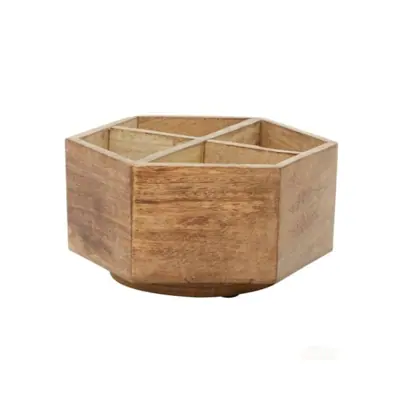 Unique 4-Compartment Flower Box
TTT-BOX-044
Why it matters
These are the choices this page decides. Getting them right at the sampling stage is what keeps cost and rework out of production.
Discuss your projectWho buys this
The same product is specified very differently depending on who is buying it. These are the briefs we see most often.
How we run it
We are a sourcing and product development partner rather than a single factory. Your project is matched to a specialist workshop in our manufacturing network, and one team stays accountable for the drawing, the sample, the production schedule and the inspection before dispatch.
Your product, sketch or reference photo becomes a working drawing: internal dimensions, wall thickness, opening mechanism and insert layout, with the trade-offs priced.
Before a full sample is made, you compare species, stain and coating on physical boards under your own lighting — the fastest way to avoid a colour surprise.
A physical sample of the actual construction is made and shipped for approval. Nothing goes into a production run before you sign off on it.
The approved sample becomes the standard. We coordinate the schedule with the workshop best suited to the structure, material and quantity, and report progress.
Units are checked against the approved sample during and after production — dimensions, finish, hardware and branding — then packed for the shipping route.
Export cartons, packing lists and shipping documents are prepared against the agreed trade term, and the shipment is coordinated with your forwarder or delivered to the named port.
Common questions
Bare foam can, which is why it is usually covered with velvet or fabric. A covered EVA insert reads as precise engineering rather than as packing material.
Yes — removable trays and lift-out inserts are a common request, especially where the box will be kept and reused for storage.
The insert is designed against the product and then checked with the product in place. Where the route is known to be rough, we add secondary blocking under the insert.
Usually yes. The outer case is the expensive part; a new insert layout can carry a new product or assortment without new wood tooling.
Yes — moulded pulp, board-based cradles and fabric-wrapped inserts. Each trades precision or cost against material, so we quote them alongside foam.
Enough to remove the product with fingers, not so much that it moves. For small items that is a couple of millimetres; for heavy items the insert should locate, not just surround.
Yes. A dedicated flat pocket under the product or in the lid keeps cards and booklets from curling or marking the product.
Yes. Insert thickness adds to the internal height, which is why the insert layout and the box drawing are done together.
Related
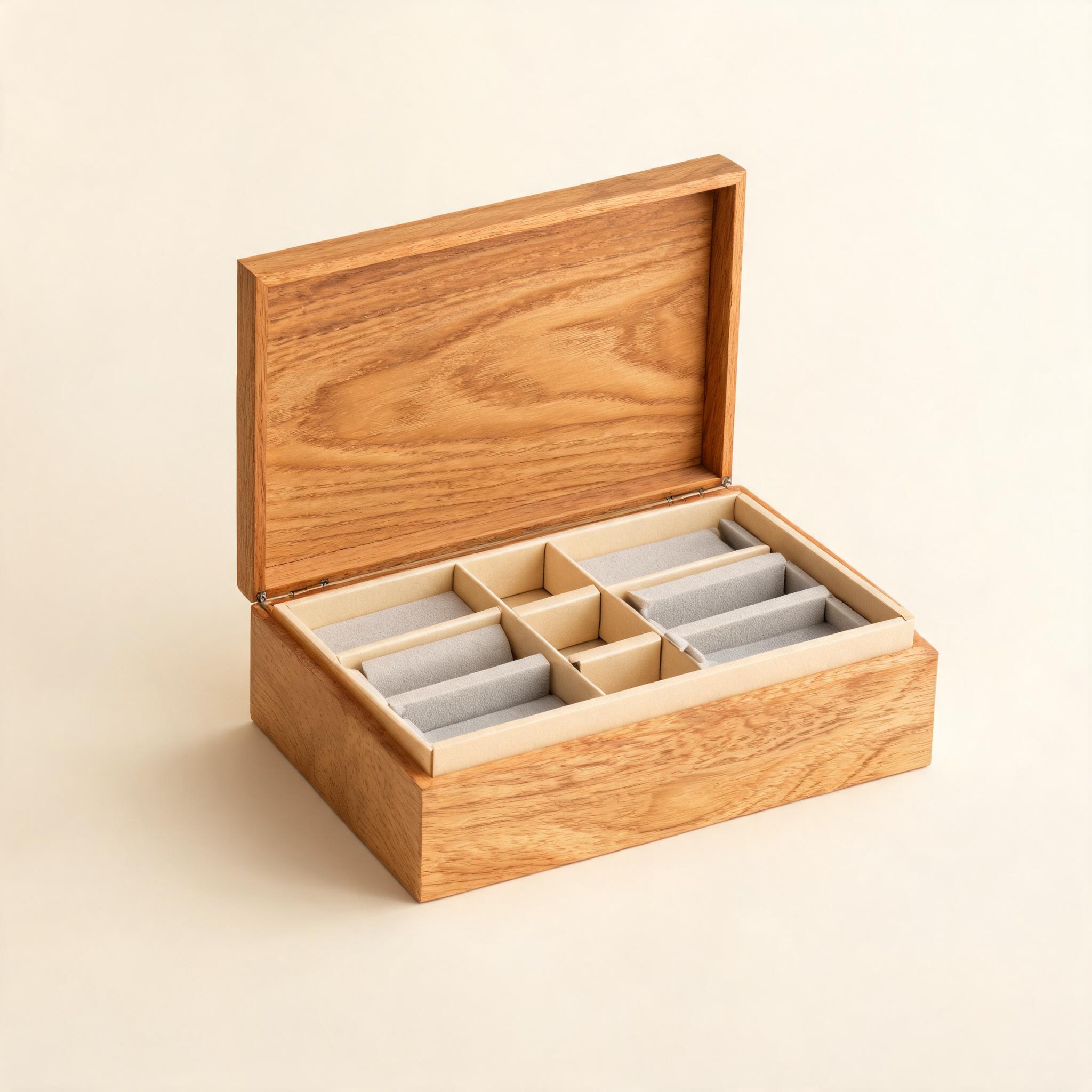
The inside is where the product is actually judged — and where transit damage is prevented.
Read more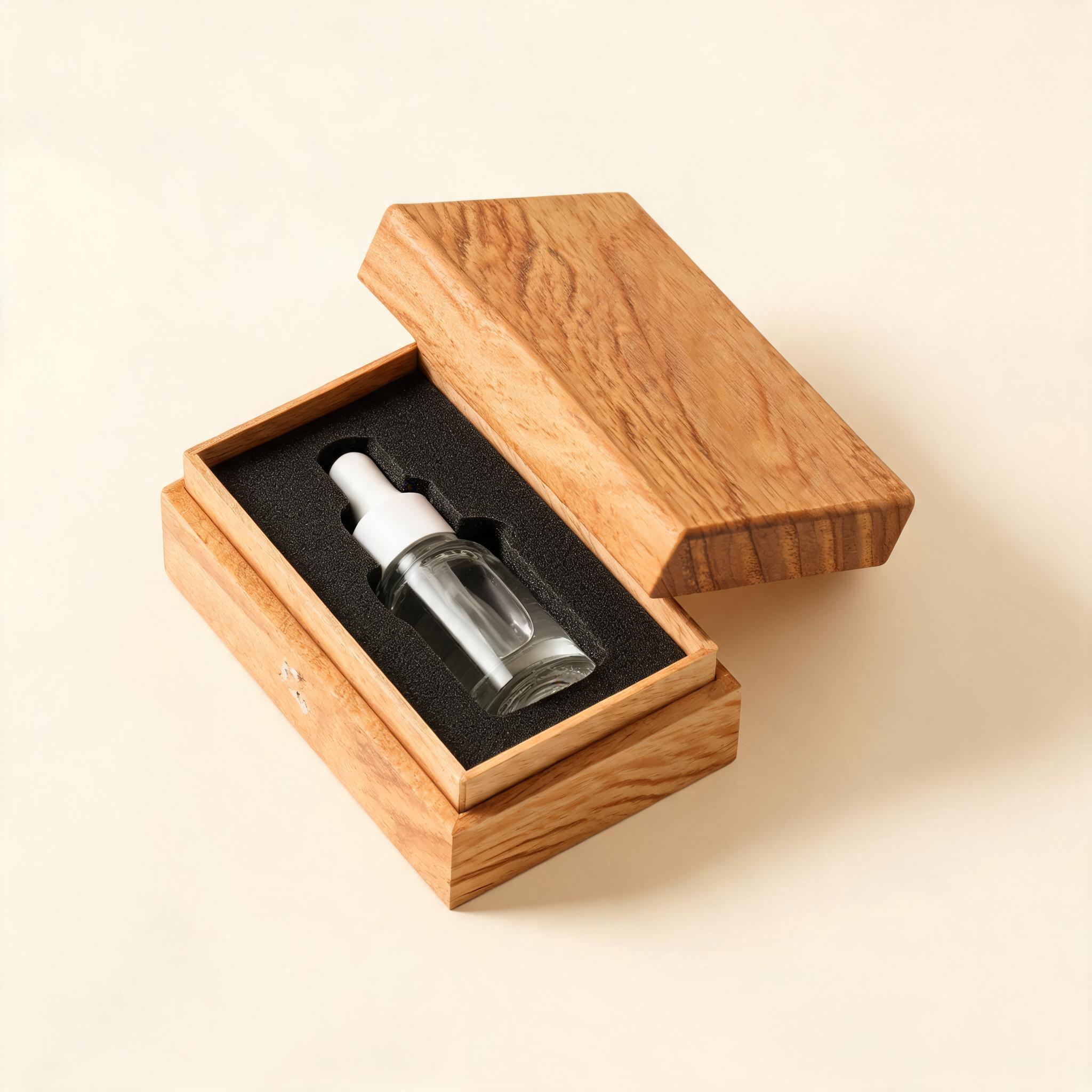
Outer packaging engineered to your product's dimensions, weight and fragility.
Read more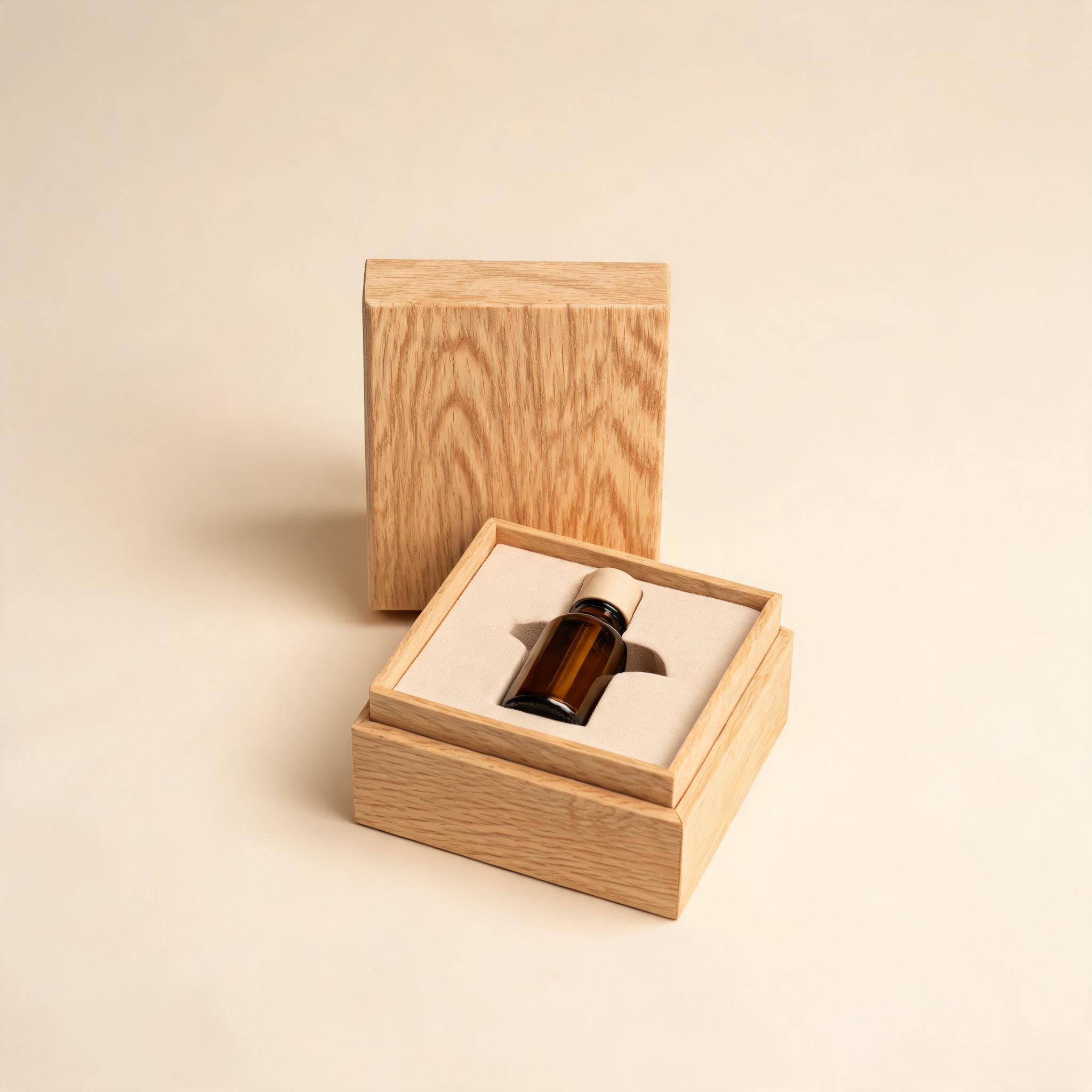
Showcase-grade boxes engineered so the product lands the moment the lid opens.
Read moreBack to the range
Send the brief — we'll come back with structure, material and finish options for custom inserts & compartments, plus a clear quotation.