
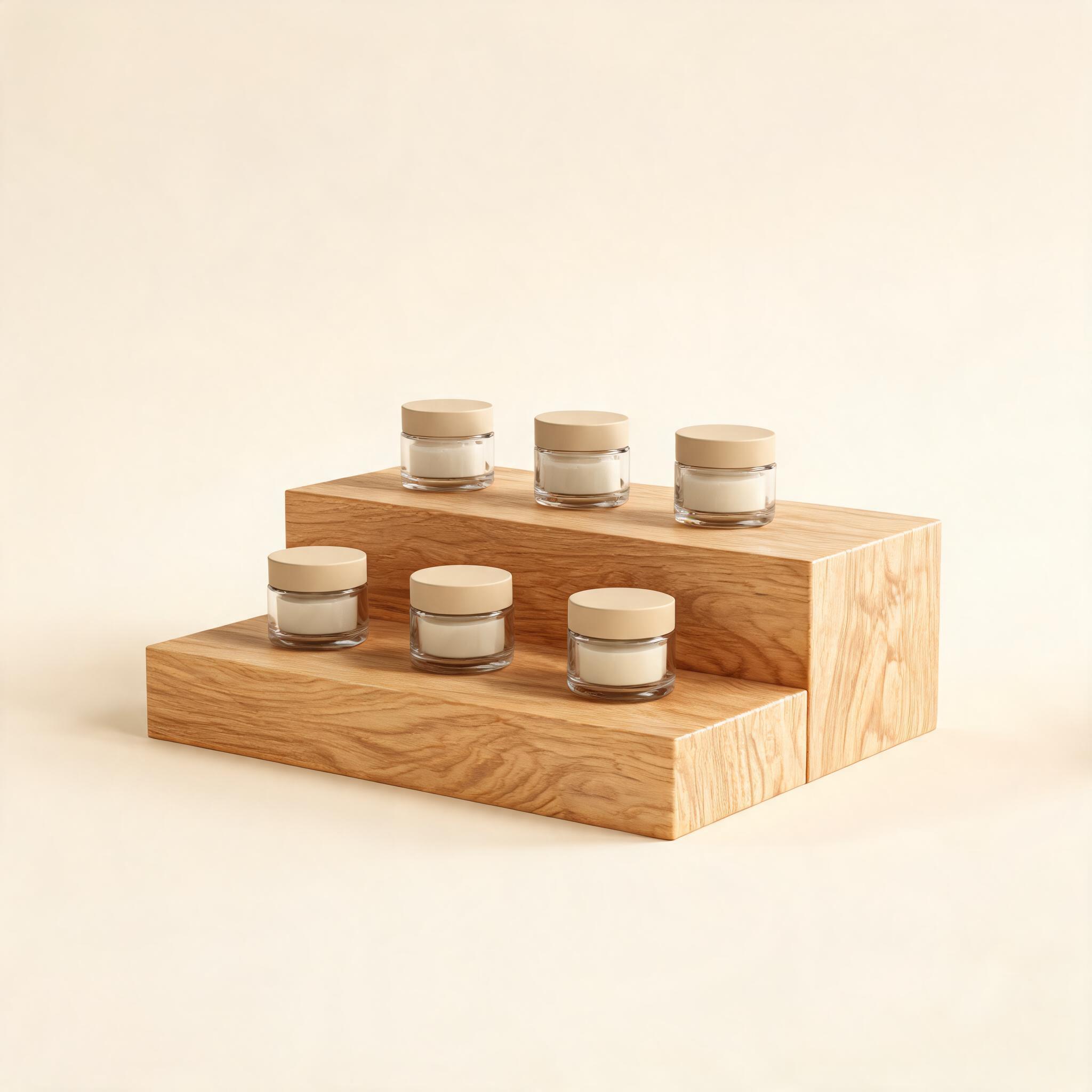
Compact by design
- Small footprints sized to counter and till space
- Tiered and angled risers for standing sightlines
- Single-product and multi-SKU units
- Non-slip bases and low centre of gravity
Wooden Display Solutions
Compact counter units that keep the product visible and within reach.
Counter space is the most contested real estate in a store. A countertop display earns its place only if it fits the available square centimetres and makes the product obvious without taking over the till area.
We design to the counter you have — usually a small footprint with a short vertical build — and test the product presentation at standing eye level rather than from a desk.
The brief behind it
Countertop units are harder to design than floor stands because the constraints are tighter. A floor stand can grow upward to gain capacity; a counter unit is limited by the counter depth, the till clearance and the customer's reach, and it must not obstruct staff.
The design question is usually one of angle rather than size. A product laid flat is invisible from standing height; the same product on a 15-degree riser reads immediately. That single decision does more for sell-through than adding capacity.
The second constraint is restocking. A counter unit that looks beautiful but requires lifting a tier out to refill will be neglected by staff — and an under-stocked display sells nothing.
What you can specify
Every point below is developed with you and confirmed on a physical sample before production.
Send the product dimensions, an approximate quantity and the date you need it. We come back with structure, material and finish options — and a clear quotation.
Start a projectAt a glance
The six decisions that define this product. Change one and the cost, weight and lead time move with it.
From our catalogue
Real pieces from our supplier catalogue. Click a photo to enlarge it; click a name to open the item. Your own version is developed to order around your product.
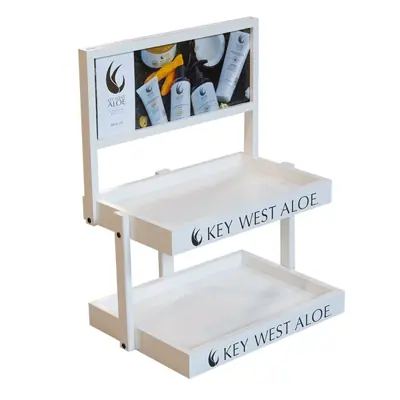 2 Shelves Wood Pos Cosmetics Display Rack Shampoo Bath Products Counter Top Stand
BVD-DIS-142
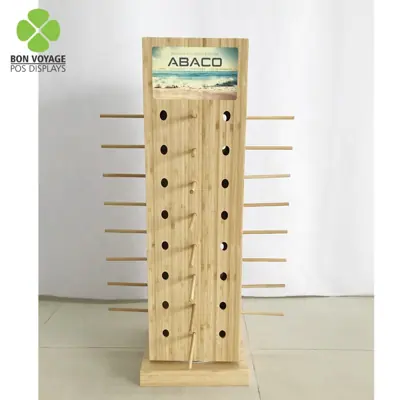 4 Sided Wooden Rotating Counter Top Sunglasses Display Rack For Retail Store
BVD-DIS-147
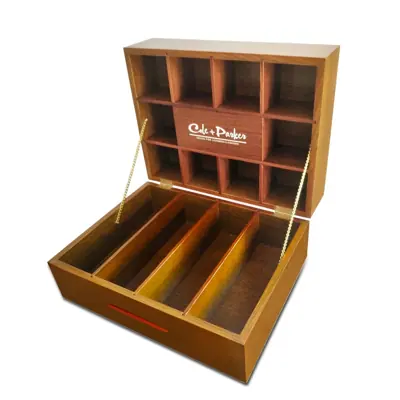 Countertop Wooden Display Rack Socks Display Box Showcase For Retail Store
BVD-DIS-161
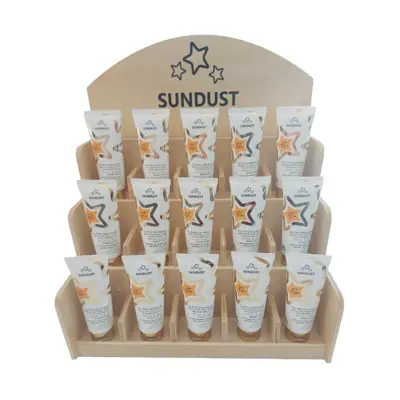 Custom Retail Pos Pop Counter Top Sunscreen Cream Skincare Cosmetics Plywood Display Racks Stand For Makeup Beauty Products
BVD-DIS-176
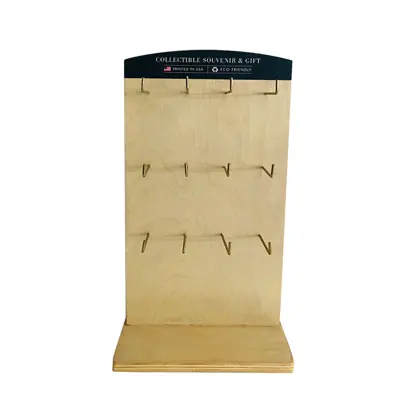 Custom Retail Store Wooden Keychain Counter Display Stand With Hooks
BVD-DIS-181
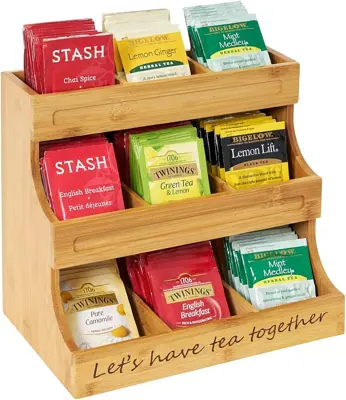 Custom Wood Countertop Poster Card Display Stand Coaster Display Stand
BVD-DIS-186
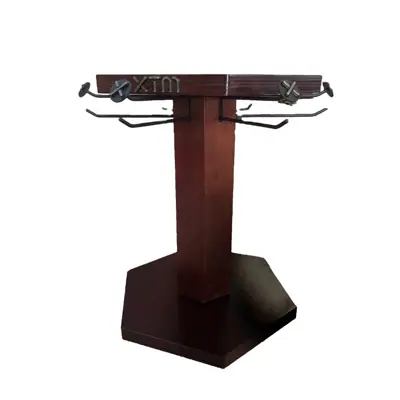 Custom Wood Countertop Spinning Display Stand For Socks Rotated Display Rack
BVD-DIS-188
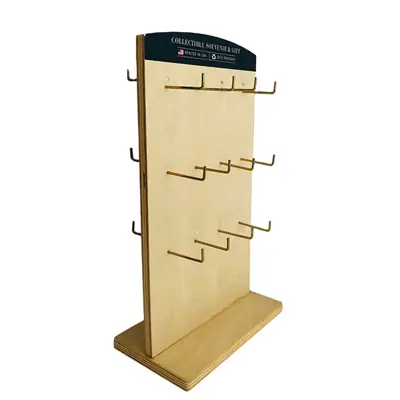 Customized Retail Store Promotion Wooden Rotated Counter Top Key Chain Display Stand With Hooks For Accessories
BVD-DIS-203
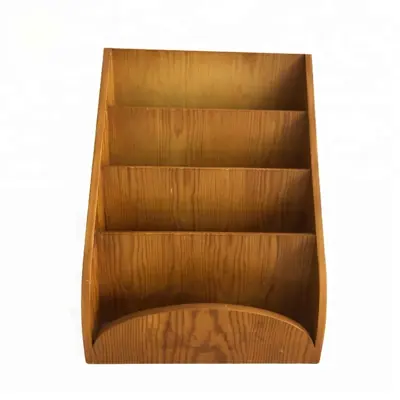 Customized Wooden Countertop Postcard Gifts Display Stand For Retail Store
BVD-DIS-204
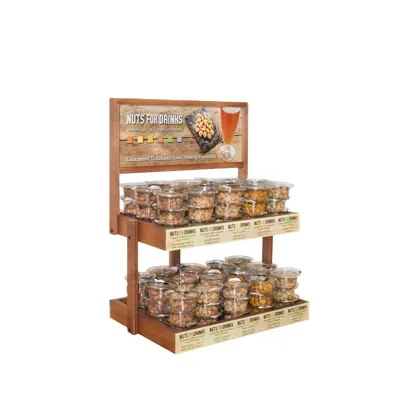 Pop Wooden Counter Top Display Stand For Snacks
BVD-DIS-244
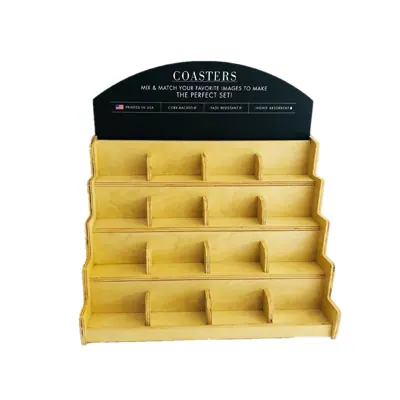 Popular Custom Wood Countertop Coaster Display Stand
BVD-DIS-246
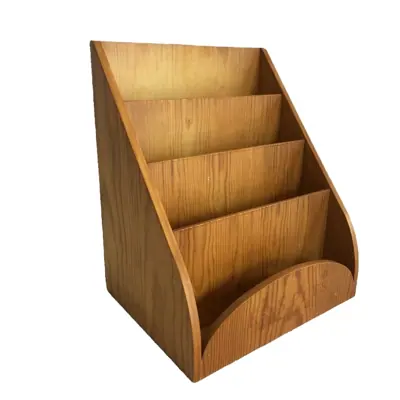 Retail Small Wooden Countertop Postcard Coaster Display Stand
BVD-DIS-253
Why it matters
These are the choices this page decides. Getting them right at the sampling stage is what keeps cost and rework out of production.
Discuss your projectWho buys this
The same product is specified very differently depending on who is buying it. These are the briefs we see most often.
How we run it
We are a sourcing and product development partner rather than a single factory. Your project is matched to a specialist workshop in our manufacturing network, and one team stays accountable for the drawing, the sample, the production schedule and the inspection before dispatch.
Your product, sketch or reference photo becomes a working drawing: internal dimensions, wall thickness, opening mechanism and insert layout, with the trade-offs priced.
Before a full sample is made, you compare species, stain and coating on physical boards under your own lighting — the fastest way to avoid a colour surprise.
A physical sample of the actual construction is made and shipped for approval. Nothing goes into a production run before you sign off on it.
The approved sample becomes the standard. We coordinate the schedule with the workshop best suited to the structure, material and quantity, and report progress.
Units are checked against the approved sample during and after production — dimensions, finish, hardware and branding — then packed for the shipping route.
Export cartons, packing lists and shipping documents are prepared against the agreed trade term, and the shipment is coordinated with your forwarder or delivered to the named port.
Common questions
Enough to look stocked without looking crowded. In practice that is usually a shallow depth with one or two facings per SKU — we mock up the layout with your product count before finalising.
Yes. Countertop units are small enough that assembled shipping is often cheaper than the labour of flat-pack assembly in store, and we confirm which is better for your route.
Sometimes. A wooden tray or riser can be sold with the product and reused at home, which extends the brand's presence past the counter.
Usually between 10 and 20 degrees for products under 20 cm tall. Taller products need less rake or they lean away from the viewer.
Send the usable depth and we will size the unit to it. Narrow counters usually mean vertical tiers rather than wider trays.
Lift-out trays or open-front shelves. If restocking requires dismantling anything, it will not happen consistently.
Yes. A routed slot or a small clip rail keeps printed cards upright instead of taped to the front.
Yes, with a hard-wearing finish at hand-contact points. Wood also hides scuffs better than painted metal or acrylic over a long season.
Related

Freestanding wooden display stands for boutiques, events and shop floors.
Read more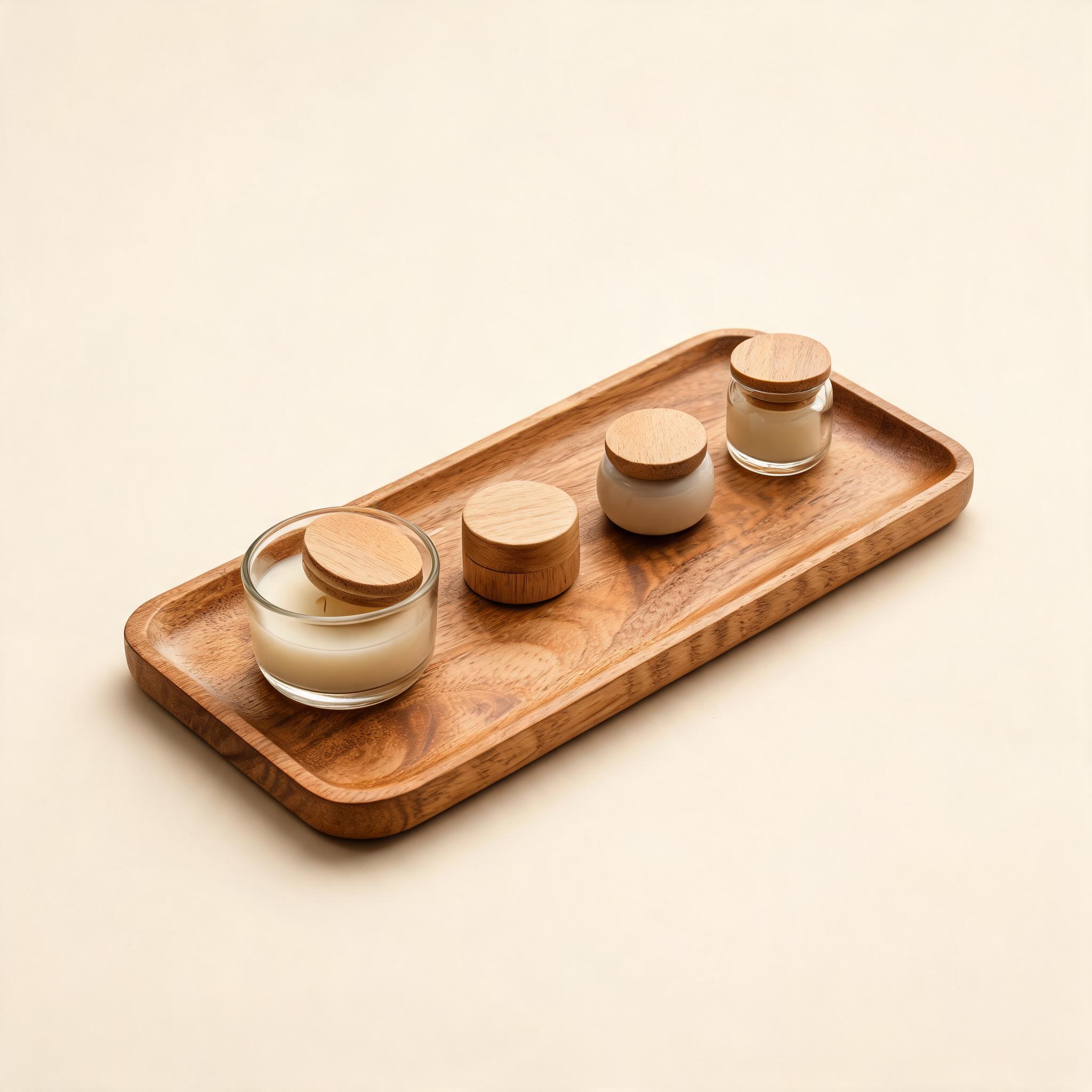
Trays and risers that organize, elevate and group products for sale.
Read more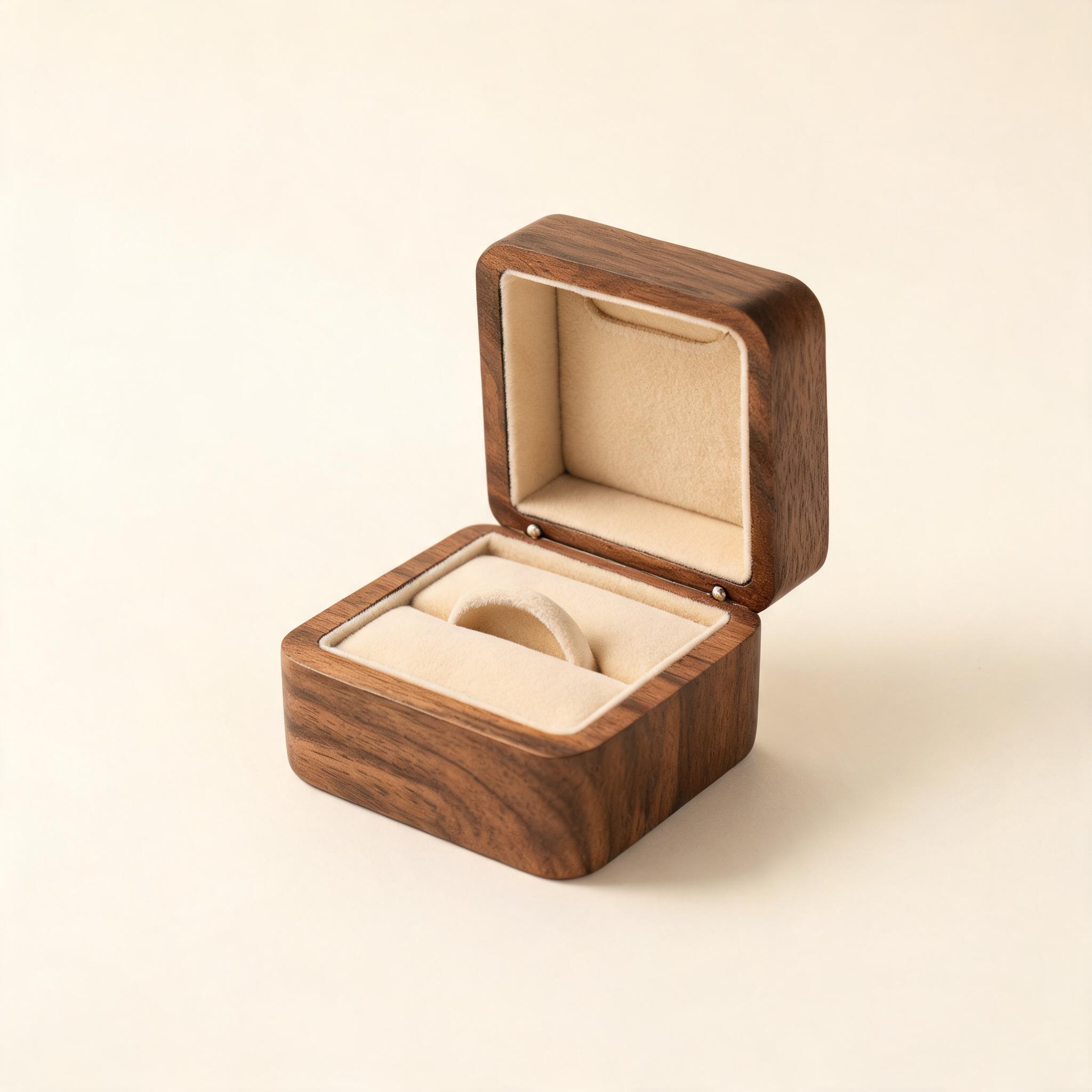
Compact jewelry cases with soft-lined compartments for rings, necklaces and sets.
Read moreBack to the range
Send the brief — we'll come back with structure, material and finish options for countertop displays, plus a clear quotation.