

Structure & footprint
- Freestanding towers, gondolas and tiered stands
- Height and depth sized to your floor and sightlines
- Stability engineering for the intended product load
- Flat-pack or assembled delivery, your choice
Wooden Display Solutions
Freestanding wooden display stands for boutiques, events and shop floors.
A freestanding display stand has to do three things at once: stand up to daily customer handling, fit the floor space you actually have, and look like it belongs in the store rather than arriving from a warehouse.
We work from your store footprint — height, depth, aisle clearance — and from your existing fixtures, so the stand reads as part of the interior. Stability, weight distribution and assembly method are resolved before a single unit is made.
The brief behind it
A retail stand is judged visually but it fails structurally. The usual failure is not the finish — it is instability, shelf sag, or a joint that loosens after a few months of customers leaning on it. All three are decided at the design stage.
Stability starts with the base and the centre of gravity. A tall, narrow stand loaded with product at the top will tip; the same stand with a wider base and the weight biased low will not. That is why the product loading pattern matters as much as the footprint.
Shelf loading is the second variable. A shelf that holds samples looks fine with five units and sags with thirty. We size the shelf and its support against the intended load, then confirm the loading pattern with you.
What you can specify
Every point below is developed with you and confirmed on a physical sample before production.
Send the product dimensions, an approximate quantity and the date you need it. We come back with structure, material and finish options — and a clear quotation.
Start a projectAt a glance
The six decisions that define this product. Change one and the cost, weight and lead time move with it.
From our catalogue
Real pieces from our supplier catalogue. Click a photo to enlarge it; click a name to open the item. Your own version is developed to order around your product.
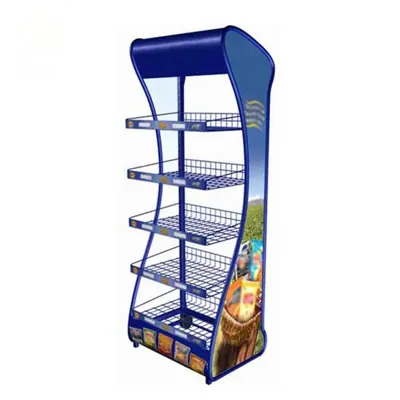 5 Shelves Retail Display Rack for Gallon Water Bottle Display Stand | Bon Voyage Display
BVD-BOX-033
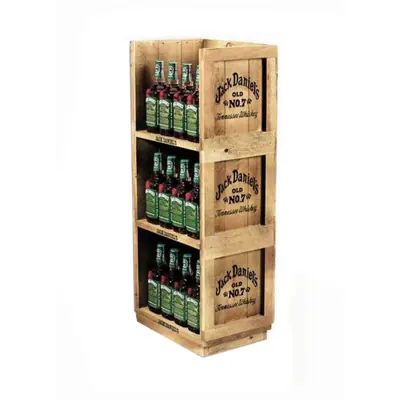 China Professional Export Retail Wood Beer Promotional Merchandise Display Rack
BVD-BOX-035
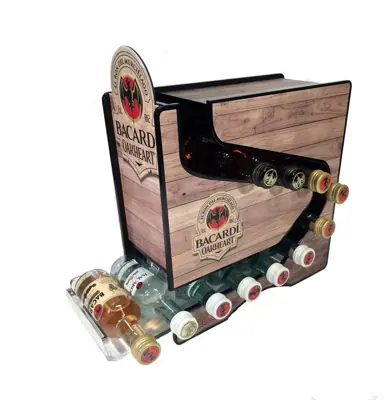 Glorifier Bottle Dispenser
BVD-BOX-050
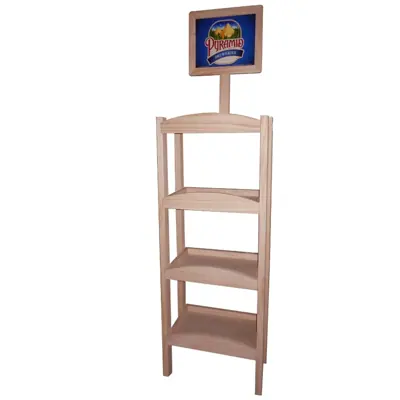 Good Quality Pop Wood Beer Display Stand For Retail Store
BVD-BOX-051
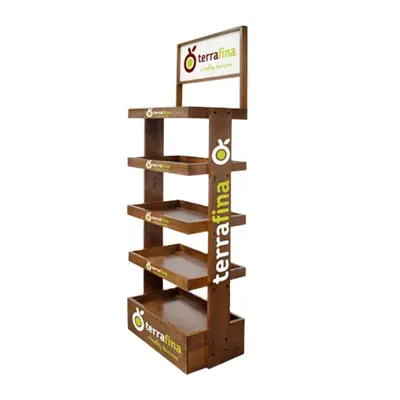 Supermarket Easy Assembly 5 Wood Shelves Whisky Beer Bottles Displays | Bon Voyage Display
BVD-BOX-064
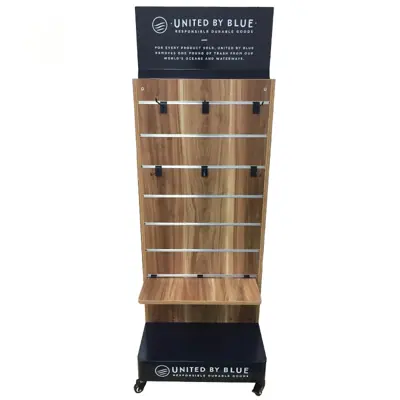 Supermarket Wooden Pos Slatwall Display Shelf Bottles Accessory Display Stand With Wheels
BVD-BOX-066
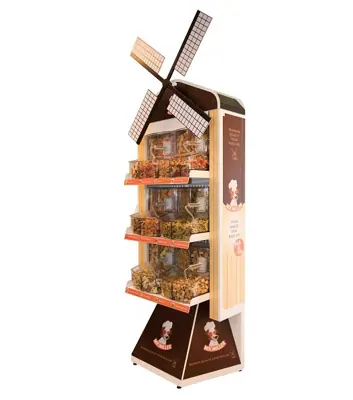 2018 New Design Customized Flooring Snacks Food Display Rack With Windmill Header
BVD-DIS-143
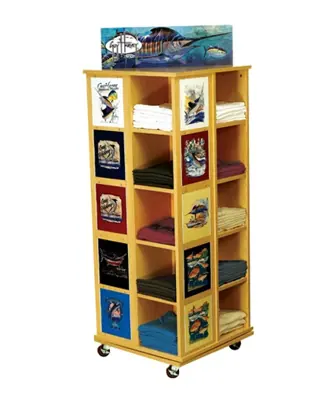 4-sided Rotated Wood Floor Standing T-shirt Clothes Display Stand For Retail Shop
BVD-DIS-146
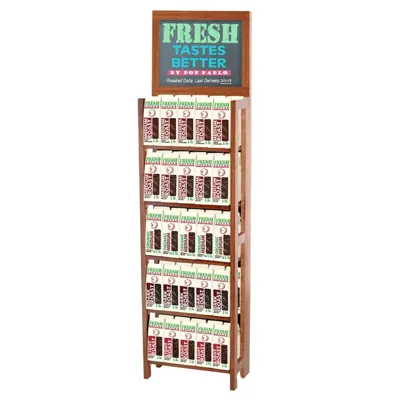 Custom 4 Tiers Wooden Floor Shelf Teabag Coffee Beans Display Stand Rack
BVD-DIS-163
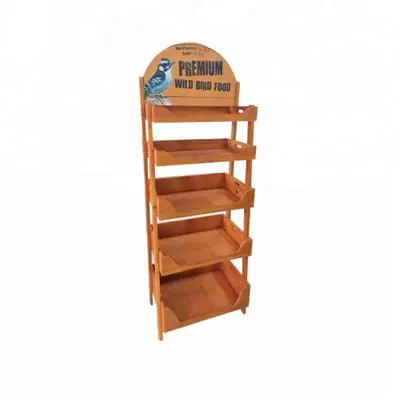 Custom Point Of Sales Wooden Floor Pet Products Display Stand For Retail Store
BVD-DIS-171
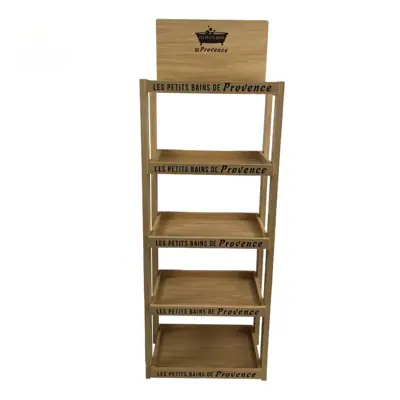 Custom Pos Wooden Floor Display Shelf Cosmetics Essential Oil Display Stand
BVD-DIS-173
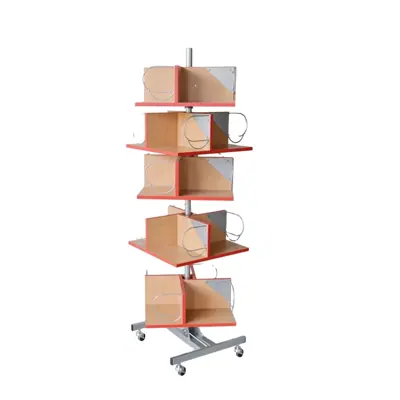 Custom Retail Pos Marketing Magazine Wooden Floor Display Shelf Rotating Comic Books Display Stand Rack
BVD-DIS-175
Why it matters
These are the choices this page decides. Getting them right at the sampling stage is what keeps cost and rework out of production.
Discuss your projectWho buys this
The same product is specified very differently depending on who is buying it. These are the briefs we see most often.
How we run it
We are a sourcing and product development partner rather than a single factory. Your project is matched to a specialist workshop in our manufacturing network, and one team stays accountable for the drawing, the sample, the production schedule and the inspection before dispatch.
Your product, sketch or reference photo becomes a working drawing: internal dimensions, wall thickness, opening mechanism and insert layout, with the trade-offs priced.
Before a full sample is made, you compare species, stain and coating on physical boards under your own lighting — the fastest way to avoid a colour surprise.
A physical sample of the actual construction is made and shipped for approval. Nothing goes into a production run before you sign off on it.
The approved sample becomes the standard. We coordinate the schedule with the workshop best suited to the structure, material and quantity, and report progress.
Units are checked against the approved sample during and after production — dimensions, finish, hardware and branding — then packed for the shipping route.
Export cartons, packing lists and shipping documents are prepared against the agreed trade term, and the shipment is coordinated with your forwarder or delivered to the named port.
Common questions
Yes. Send photos, a finish sample or a Pantone reference and we match the wood, stain and hardware. Matching is checked on a physical sample, not on a screen.
That is the normal case. We produce against the approved sample so every store receives an identical fixture, which matters when a rollout is staggered over months.
Both work. Flat-pack reduces freight volume and warehousing cost; assembled delivery saves setup time in store. The right answer depends on your rollout plan, and we quote both.
That depends on the base footprint and where the weight sits. Tells us the loading pattern and we size the base and shelf supports accordingly, rather than assuming evenly distributed stock.
Design the stand with replaceable shelves and the whole unit does not have to be written off. We recommend that for any fixture likely to run for more than a season.
Yes. Removable or sliding panels let marketing refresh a campaign while the structure stays in place.
Specify protective feet or felt pads for hard floors. It is a small detail that decides whether stores accept the fixture.
Yes, with labelled parts and a sequence for assembly, plus guidance on anchoring where the store requires it.
Related
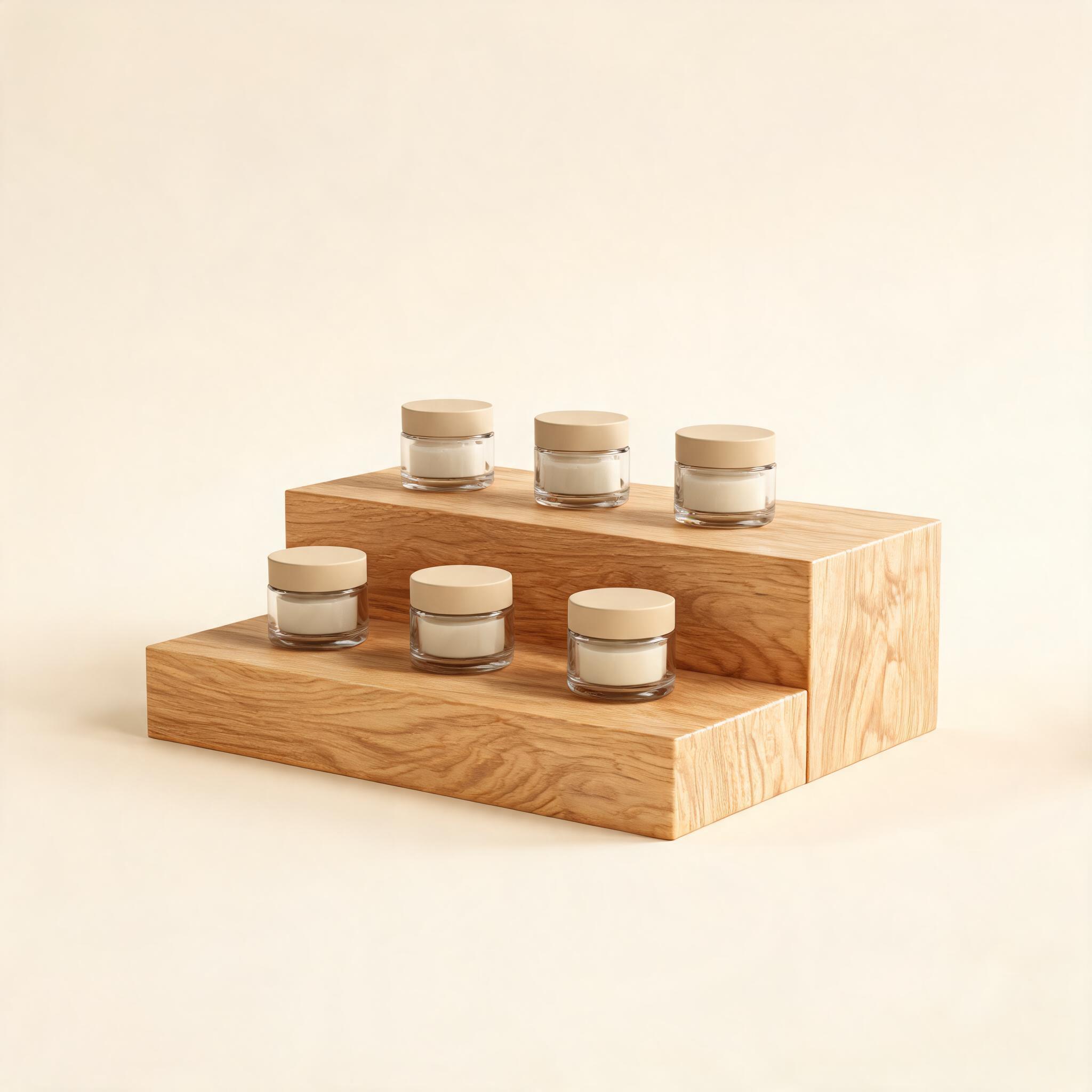
Compact counter units that keep the product visible and within reach.
Read more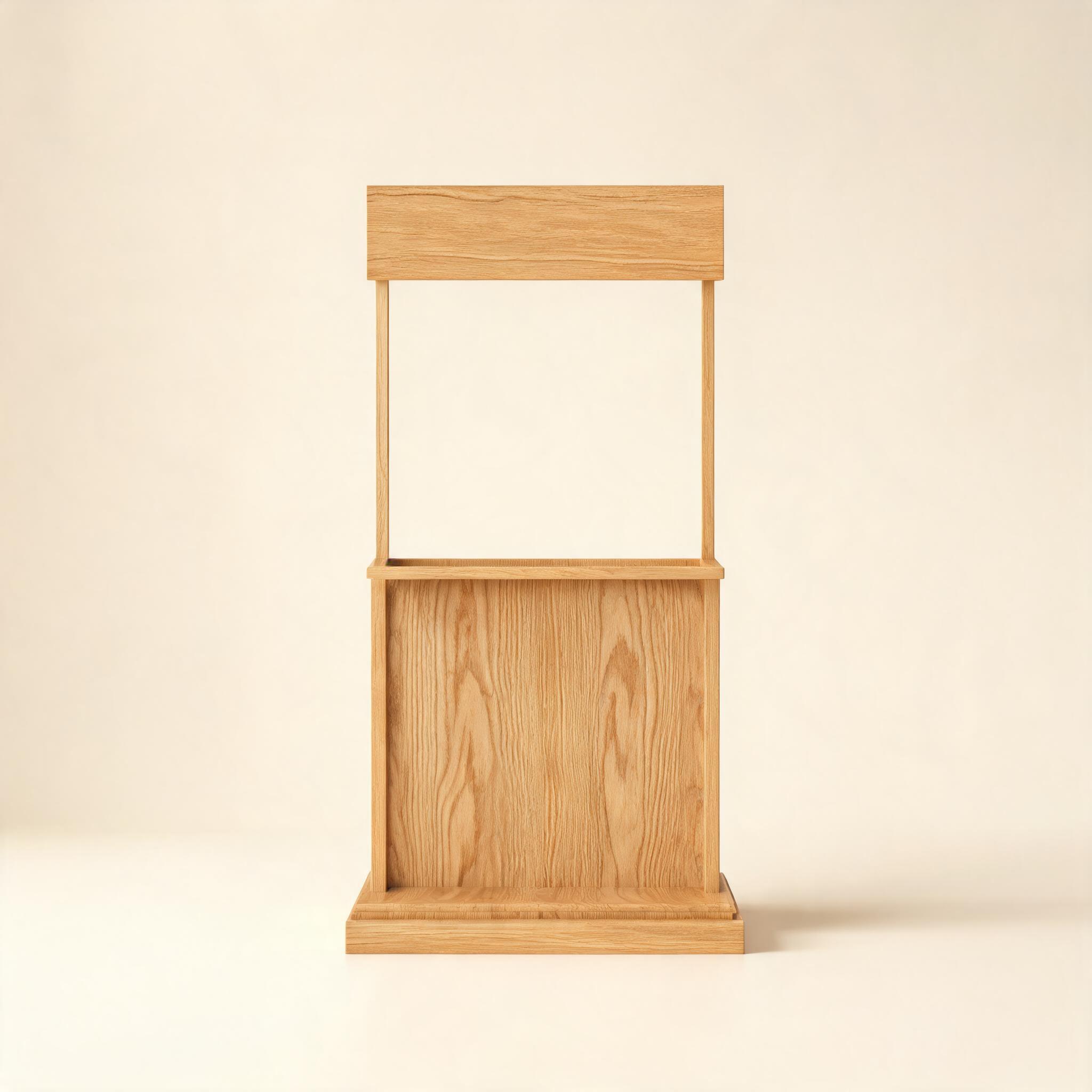
Fixtures built to your brand's finishes, materials and store footprint.
Read more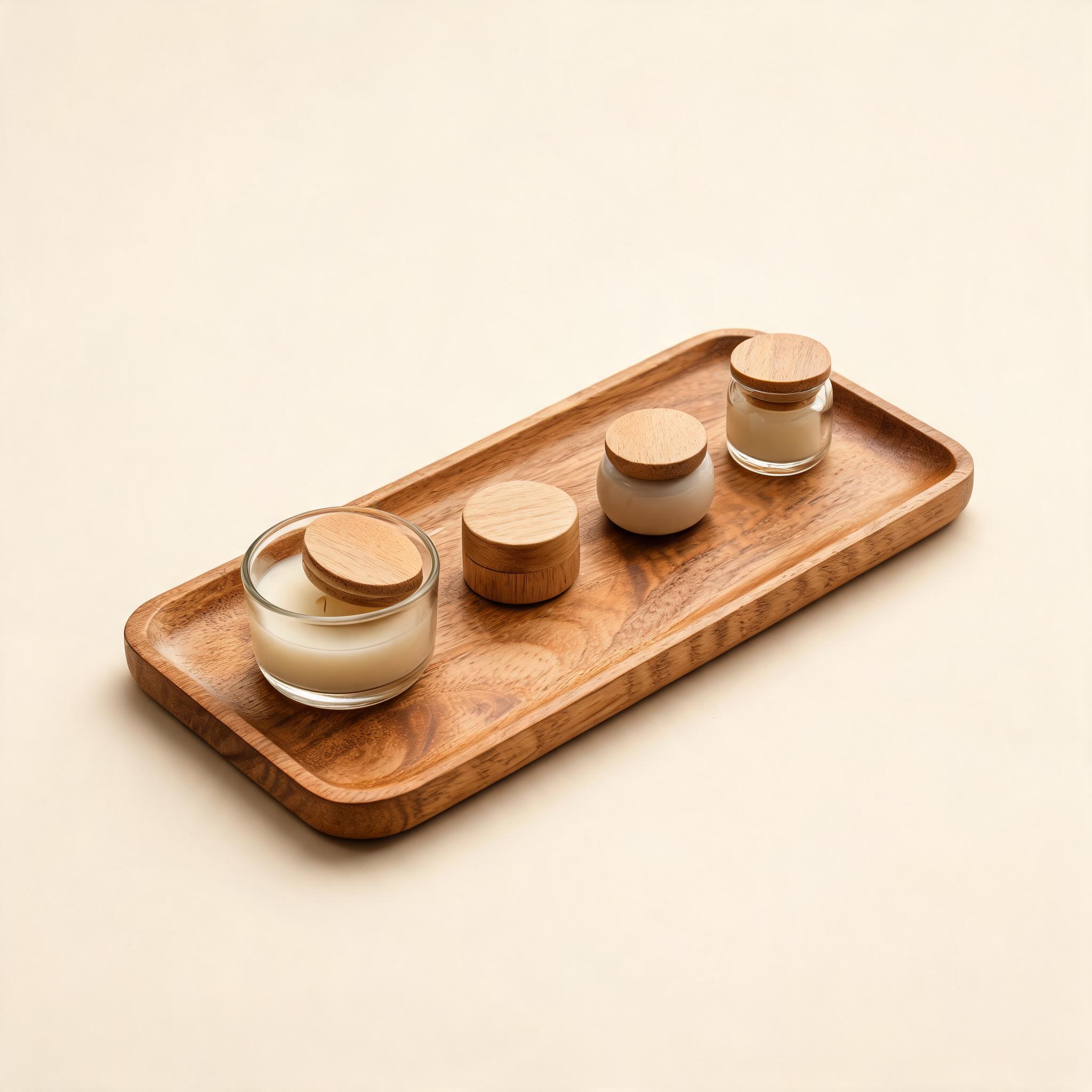
Trays and risers that organize, elevate and group products for sale.
Read moreBack to the range
Send the brief — we'll come back with structure, material and finish options for retail display stands, plus a clear quotation.