
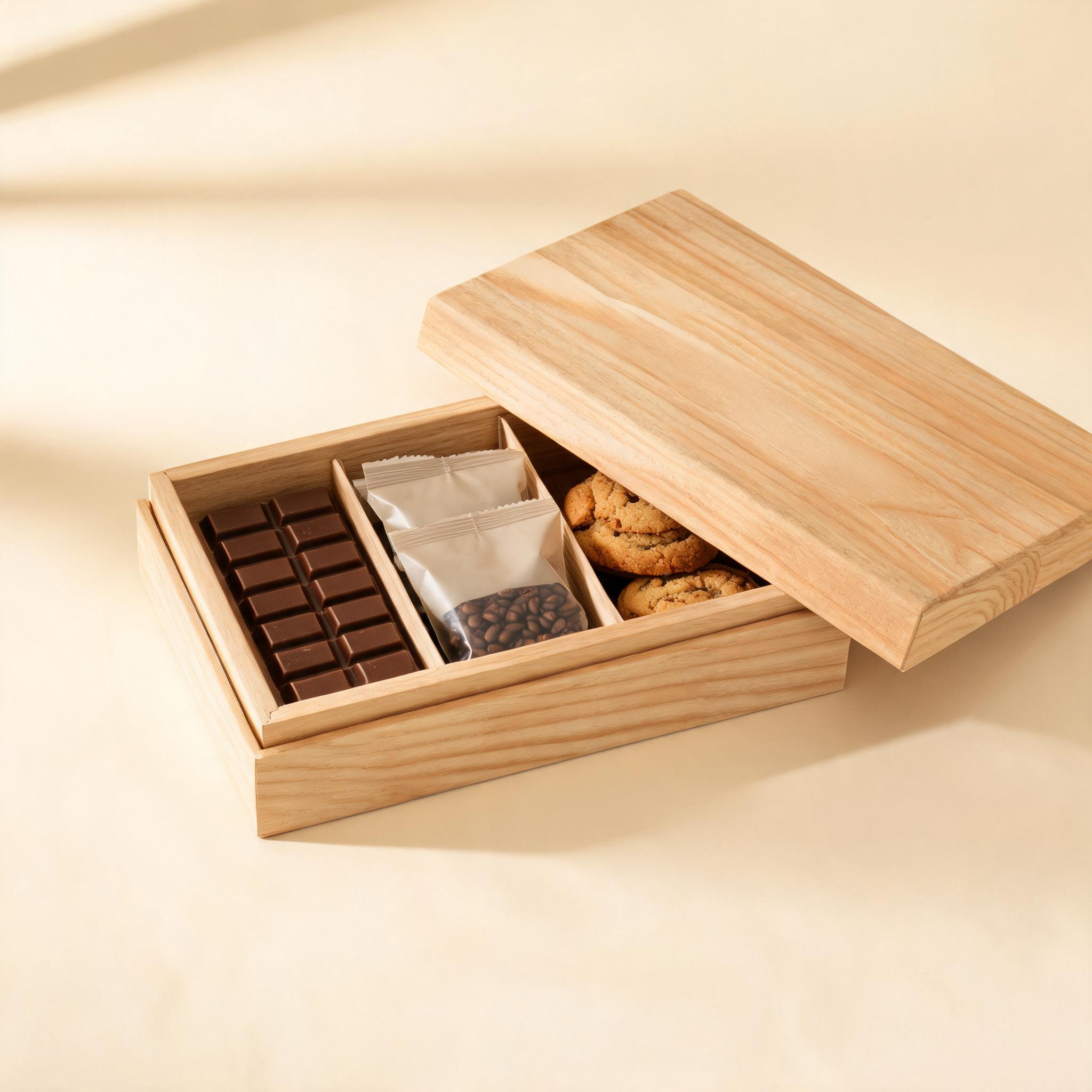
Food-safe construction
- Food-safe interior linings
- Sealed interior coatings and edge sealing on all panels
- Barrier bags and inner trays
- Materials and documentation confirmed per market
Wooden Packaging
Food-safe wooden packaging for tea, coffee, chocolate, bakery and specialty food brands.
Wood in food packaging has one rule: the wood is the presentation layer, never the barrier. Freshness, grease and moisture are handled by an inner layer — a sealed liner, a barrier bag or a food-grade tray — and the wooden exterior does the brand work.
Once that division is clear, wooden food packaging is a strong choice: it turns a commodity product into a gift, it survives a shelf, and it is kept and reused long after board is thrown away.
The brief behind it
Direct food contact with unfinished timber is rarely acceptable — aroma transfer, moisture and hygiene all argue for an inner layer. Food-safe liners, sealed interior coatings and food-grade trays are specified per product, and what is available for your market is confirmed at quotation rather than assumed.
Grease and moisture are the physical risks. Chocolate and bakery products stain; anything moist will move wood if it sits against it. A sealed interior finish and a barrier layer handle both, and edge sealing matters as much as the visible surfaces.
The sustainability story needs the same honesty. Wood is renewable and recyclable, but coatings and mixed materials change what a market accepts — packaging regulations in the EU keep tightening. We flag the material choices that affect recyclability at design stage rather than after production.
What you can specify
Every point below is developed with you and confirmed on a physical sample before production.
Send the product dimensions, an approximate quantity and the date you need it. We come back with structure, material and finish options — and a clear quotation.
Start a projectAt a glance
The six decisions that define this product. Change one and the cost, weight and lead time move with it.
From our catalogue
Real pieces from our supplier catalogue. Click a photo to enlarge it; click a name to open the item. Your own version is developed to order around your product.
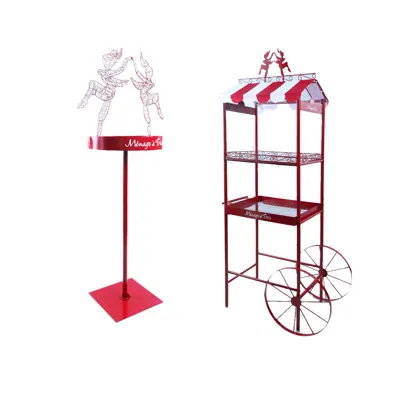 High Quality Supermarket Nature Wood Bottled Honey Display Rack | Bon Voyage Display
BVD-BOX-041
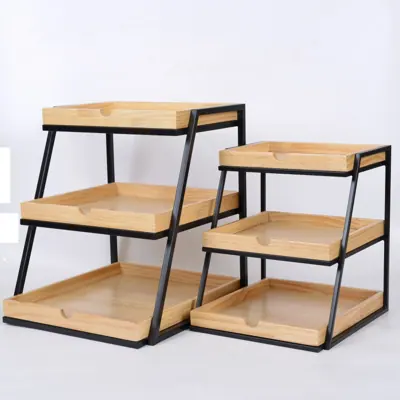 Bread Food Display Countertop Display Stand | Bon Voyage Display
BVD-DIS-156
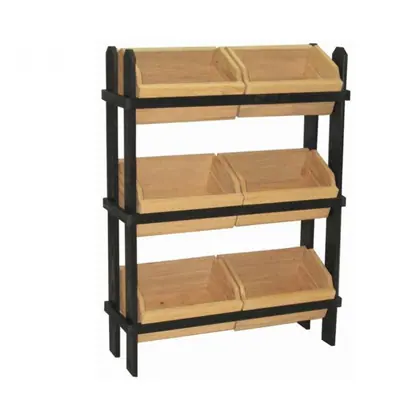 Custom Design Vegetable Fruit Bread Basket Multi-function Retail Wooden Display Rack
BVD-DIS-166
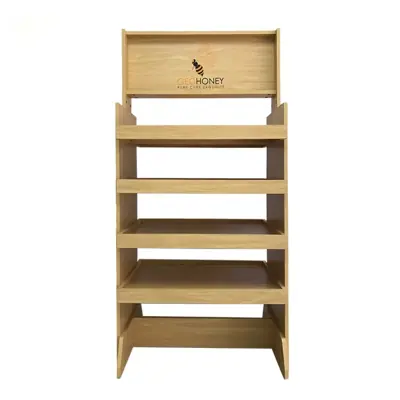 Custom Logo Wood Food Rack Honey Display Stand For Retail Store
BVD-DIS-169
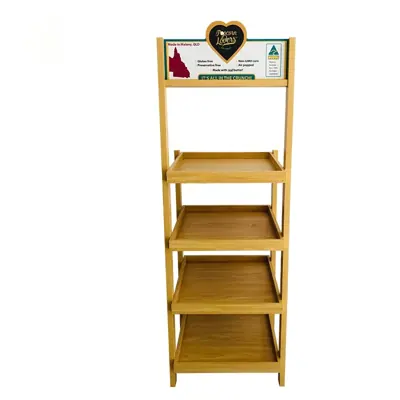 Custom Pos 4 Tiers Beverage Food Display Shelves Honey Floor Stand Retail Store Wooden Display Rack
BVD-DIS-172
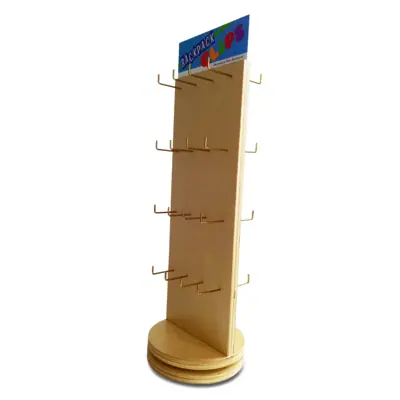 Retailer Table Top Wood Stand Spinning Display Candy Rack With Clips
BVD-DIS-263
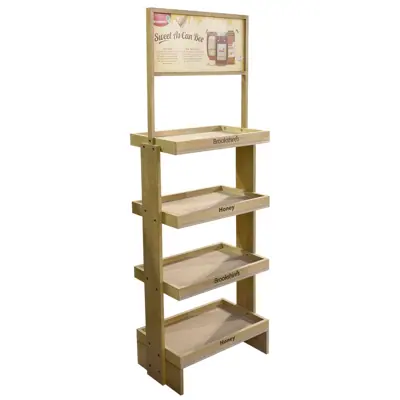 Supermarket Pos Stand 4 Tier Rack Honey Jar Honey Display Shelf
BVD-DIS-279
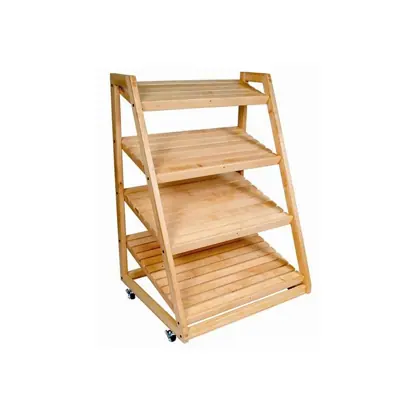 Wood Point of Sale Bakery Bread Display Rack for Supermarket | Bon Voyage Display
BVD-DIS-286
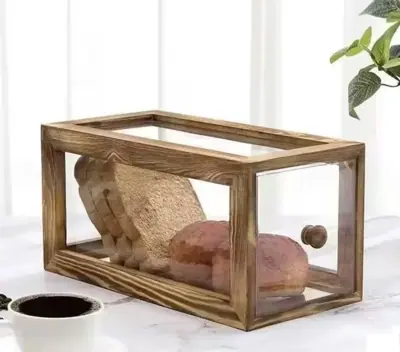 Torched Pine Bread Display Box
CWB-DIS-003
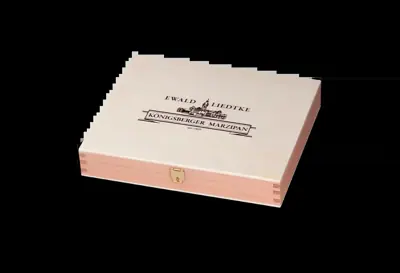 box of chocolates
SCH-BOX-208
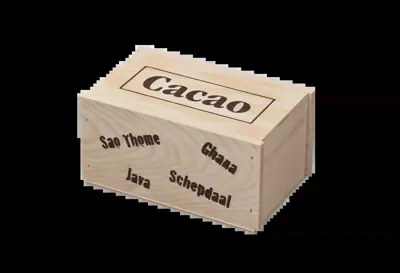 Chocolate box
SCH-BOX-221
 Chocolate box "Confectionery"
SCH-BOX-228
Why it matters
These are the choices this page decides. Getting them right at the sampling stage is what keeps cost and rework out of production.
Discuss your projectWho buys this
The same product is specified very differently depending on who is buying it. These are the briefs we see most often.
How we run it
We are a sourcing and product development partner rather than a single factory. Your project is matched to a specialist workshop in our manufacturing network, and one team stays accountable for the drawing, the sample, the production schedule and the inspection before dispatch.
Your product, sketch or reference photo becomes a working drawing: internal dimensions, wall thickness, opening mechanism and insert layout, with the trade-offs priced.
Before a full sample is made, you compare species, stain and coating on physical boards under your own lighting — the fastest way to avoid a colour surprise.
A physical sample of the actual construction is made and shipped for approval. Nothing goes into a production run before you sign off on it.
The approved sample becomes the standard. We coordinate the schedule with the workshop best suited to the structure, material and quantity, and report progress.
Units are checked against the approved sample during and after production — dimensions, finish, hardware and branding — then packed for the shipping route.
Export cartons, packing lists and shipping documents are prepared against the agreed trade term, and the shipment is coordinated with your forwarder or delivered to the named port.
Common questions
Not directly. A food-safe lining, sealed interior or inner tray is the contact surface; the wood carries the brand and the structure. What is available for your market is confirmed at quotation.
Wood is not a barrier. Freshness comes from the inner bag, liner or tin; the wooden box protects and presents. This is the same division used across premium tea and coffee packaging.
A sealed interior coating and edge sealing handle stain and moisture risk, with the barrier layer carrying the product. We sample with your actual product where it is borderline.
The wood is; coatings and mixed materials change the answer. We flag the choices that affect recyclability at design stage so the pack fits your market's rules.
Yes — an acrylic or film window sells visibility products like bakery and confectionery, and it is designed into the lid rather than added afterwards.
Yes, and it is a strong model for daily-use products — a case sized to your refill keeps the brand on the counter.
We confirm what material documentation is available for your market at quotation, and state plainly what is and is not held.
Yes — counter trays in the same wood and finish keep the shelf and the gift box consistent.
Related
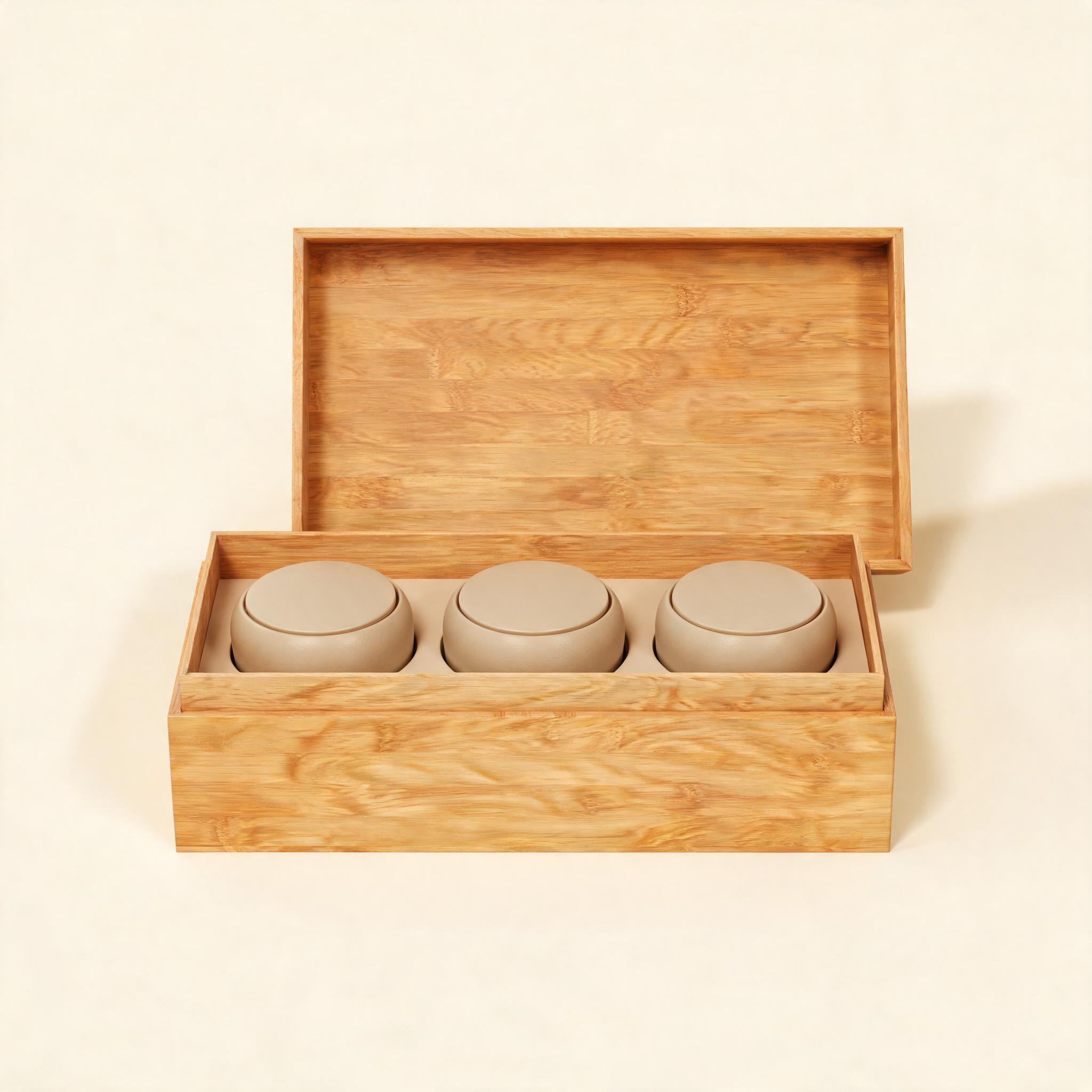
Tea caddies and multi-compartment boxes for tea brands, tastings and gift sets.
Read more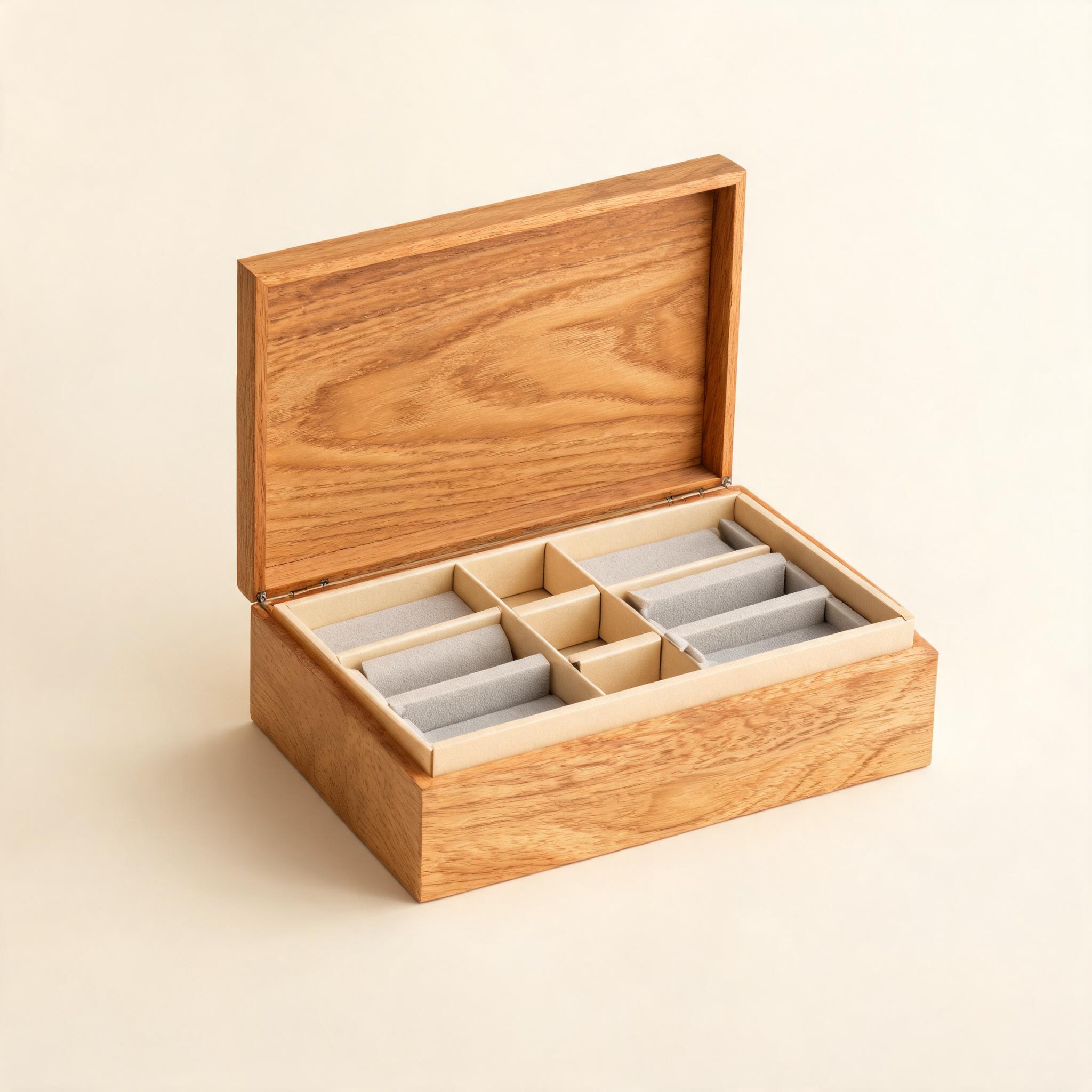
Foam, velvet or wooden inserts that hold every component exactly in place.
Read more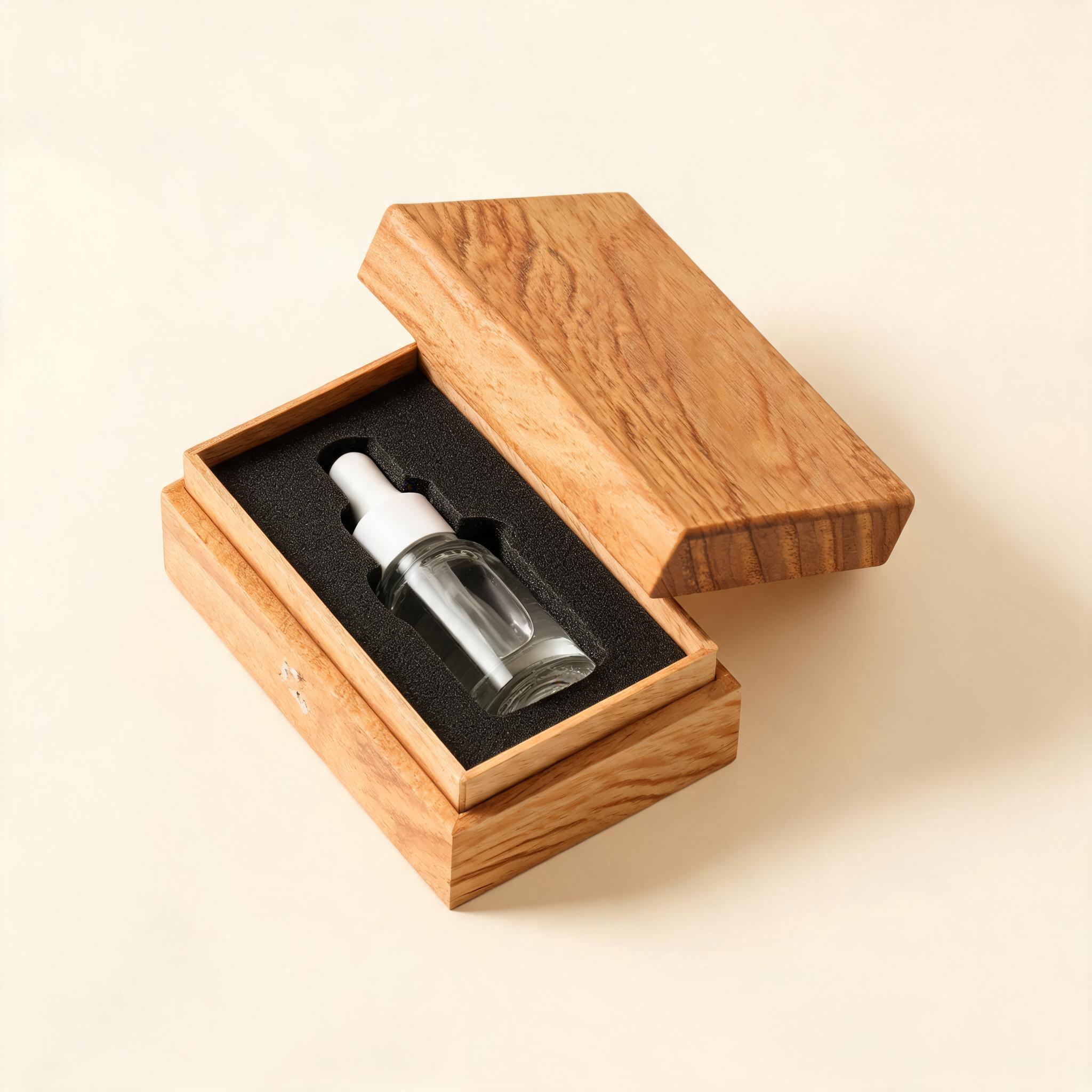
Outer packaging engineered to your product's dimensions, weight and fragility.
Read moreBack to the range
Send the brief — we'll come back with structure, material and finish options for wooden food packaging, plus a clear quotation.