
Application methods
- Laser engraving — tactile, permanent, single tone
- Hot foil stamping in gold, silver or custom foil
- Silk-screen and UV print for full-colour artwork
- Metal plates and inlay for flagship lines
Wooden Packaging
Your logo and identity applied by engraving, printing or inlay across the pack.
Branding on wood behaves differently from branding on board. Grain interrupts fine print, engraving reads as texture rather than colour, and a foil that looks right on paper can disappear on a dark stain.
We choose the technique against your artwork and your wood rather than applying a default, then produce a branded sample so you can judge the mark on the actual surface.
The brief behind it
The same vector logo can look precise on a white carton and illegible on a stained wood lid. The reason is the surface: wood has grain direction, pores and colour variation, and each of those interacts with the marking method differently.
Engraving burns the surface, so the mark is a step in the material rather than a colour on top. That makes it permanent and tactile, but it also means fine hairlines disappear into coarse grain and the contrast depends entirely on the species.
Print and foil sit on the surface. Print can carry full colour, but a light ink over dark stain needs an opaque base coat or it turns muddy. Foil gives a crisp metallic edge that reads well on dark wood, but it does not follow a curved surface reliably.
What you can specify
Every point below is developed with you and confirmed on a physical sample before production.
Send the product dimensions, an approximate quantity and the date you need it. We come back with structure, material and finish options — and a clear quotation.
Start a projectAt a glance
The six decisions that define this product. Change one and the cost, weight and lead time move with it.
Why it matters
These are the choices this page decides. Getting them right at the sampling stage is what keeps cost and rework out of production.
Discuss your projectWho buys this
The same product is specified very differently depending on who is buying it. These are the briefs we see most often.
How we run it
We are a sourcing and product development partner rather than a single factory. Your project is matched to a specialist workshop in our manufacturing network, and one team stays accountable for the drawing, the sample, the production schedule and the inspection before dispatch.
Your product, sketch or reference photo becomes a working drawing: internal dimensions, wall thickness, opening mechanism and insert layout, with the trade-offs priced.
Before a full sample is made, you compare species, stain and coating on physical boards under your own lighting — the fastest way to avoid a colour surprise.
A physical sample of the actual construction is made and shipped for approval. Nothing goes into a production run before you sign off on it.
The approved sample becomes the standard. We coordinate the schedule with the workshop best suited to the structure, material and quantity, and report progress.
Units are checked against the approved sample during and after production — dimensions, finish, hardware and branding — then packed for the shipping route.
Export cartons, packing lists and shipping documents are prepared against the agreed trade term, and the shipment is coordinated with your forwarder or delivered to the named port.
Common questions
Yes, using UV or silk-screen print, but fine detail and gradients behave differently on grain than on paper. We test your artwork on the chosen wood before committing to production.
Engraving, because there is no plate or screen to amortise. Print and foil become more economical as volume rises — we quote the options side by side so you can see the crossover.
Yes. Variable engraving is straightforward for names, dates and serials. Variable print is possible too, and we confirm the method against your quantity.
Usually line weight. Thin strokes fill in when engraved and break up when foiled. We adjust the artwork for the method rather than accepting a weak mark.
Yes, and it is worth doing — the inner platform or the underside of the lid is what the customer sees at the moment of opening.
Less than on light wood, because the burn is close to the base colour. On dark species we often recommend foil or a light-filled engraving instead.
Vector — AI, EPS or PDF — with fonts converted to outlines. If you only have a raster logo, we will advise on redrawing before production.
If we hold the approved branded sample and the written specification, yes. Wood colour varies naturally, so the sample is the reference rather than a colour code.
Related
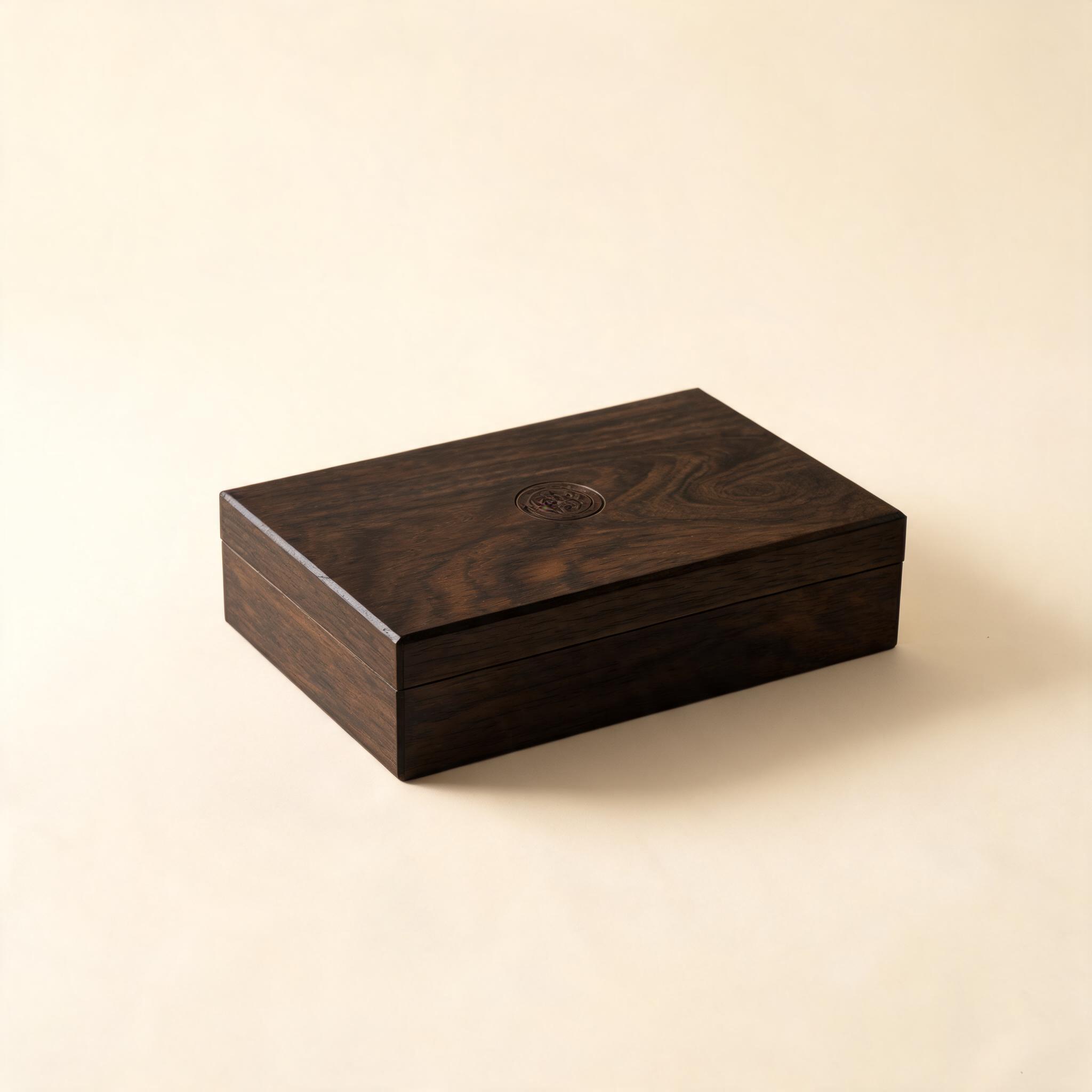
Engraving, foil, print or inlay — the technique decides whether the mark looks made for the material.
Read more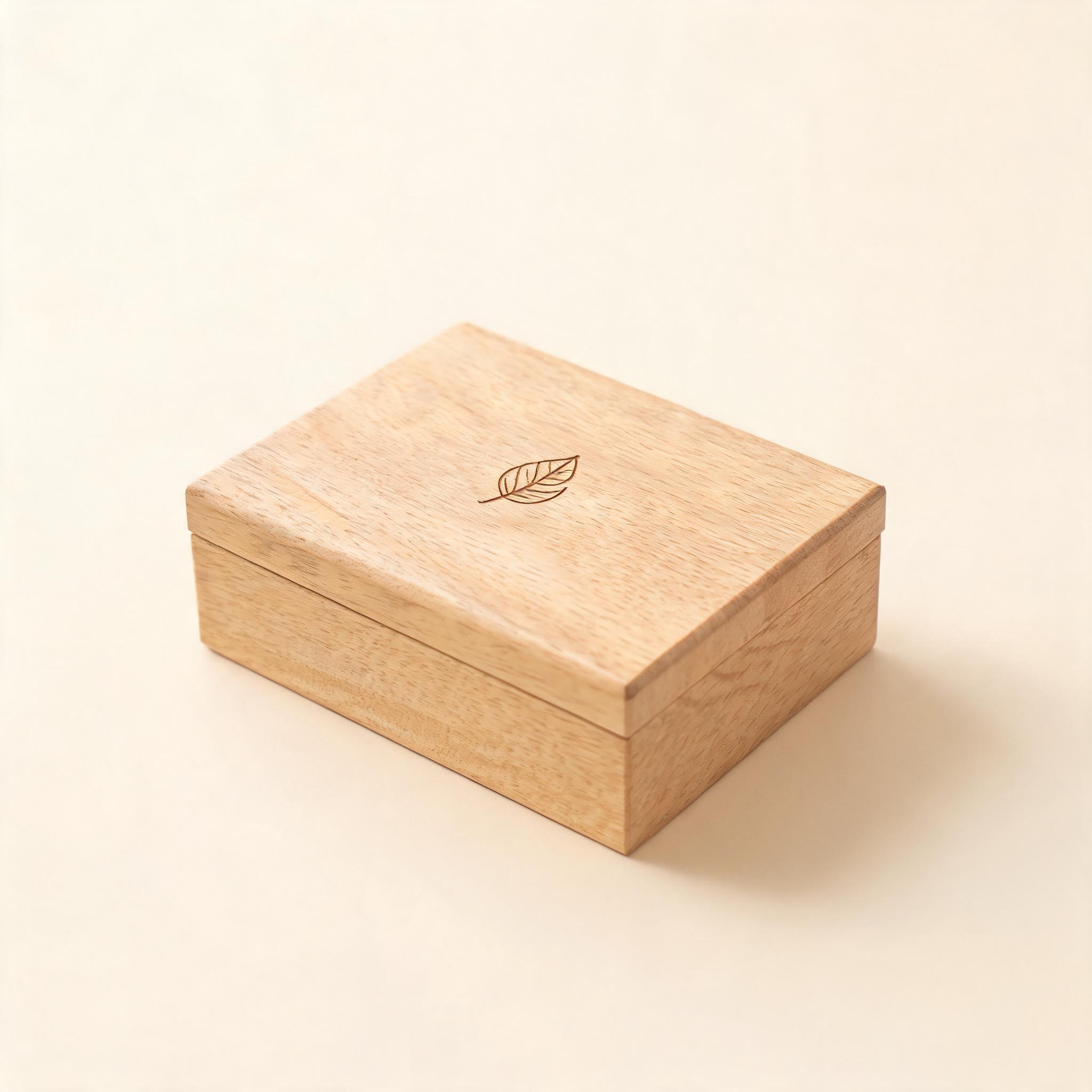
Wood does not have to look wooden — colour and texture let the box carry a brand without losing the material.
Read more
Executive gifting with engraving, inserts and presentation to match the occasion.
Read moreBack to the range
Send the brief — we'll come back with structure, material and finish options for branded wooden packaging, plus a clear quotation.