
Colour routes
- Pantone-matched painting on filled surfaces
- Staining that shifts tone while keeping grain visible
- Contrast interiors — dark outside with a light lining
- Multi-colour schemes with masked or inlaid panels
Custom Solutions
Wood does not have to look wooden — colour and texture let the box carry a brand without losing the material.
Painting a wooden box is a way of getting brand colour onto a material that already signals quality. The trick is controlling the surface first: grain and knots have to be filled, or the paint telegraphs every line beneath it.
Where the grain is worth keeping, staining shifts the colour while leaving the figure visible — a darker, cooler or warmer version of the same timber. Topcoat then sets the sheen: matte reads contemporary, satin reads premium, gloss reads traditional.
The brief behind it
On paper, colour is ink. On wood, it is a film sitting on a surface that is not flat: pores, grain lines and knots all sit at different depths, and any coating thin enough to keep sharp edges will follow them.
That is why painted wooden boxes are usually made from a consistent substrate — MDF or a filled plywood — rather than a visually interesting solid timber. Fighting the grain to get a flat colour is expensive and rarely fully successful.
Staining is the opposite approach: it accepts the grain and shifts the tone. It is cheaper than filling and painting, and it suits brands that want a natural material with a specific colour direction rather than a solid colour.
What you can specify
Every point below is developed with you and confirmed on a physical sample before production.
Send the product dimensions, an approximate quantity and the date you need it. We come back with structure, material and finish options — and a clear quotation.
Start a projectAt a glance
Three ways to get brand colour onto wood, and when each one makes sense.
Why it matters
These are the choices this page decides. Getting them right at the sampling stage is what keeps cost and rework out of production.
Discuss your projectWho buys this
The same product is specified very differently depending on who is buying it. These are the briefs we see most often.
Common questions
We match against a physical sample under agreed lighting. Wood absorbs coating differently from paper, so approval is always on a painted wood sample, not a colour chip.
It depends on the coating. A matte or soft-touch paint keeps a warmth in the hand; a gloss finish reads more like lacquered furniture than timber.
Edges are the risk. We specify edge treatment and packing protection for painted boxes, and the approved sample is checked against production for coating adhesion.
Usually because the substrate grain was not fully filled, so the coating follows the pores. On a solid timber that needs filling before painting, which is why MDF is often used.
Matte hides fingerprints and reads contemporary; satin is more durable and looks richer under warm light. For a handled retail display, satin usually wins.
Yes. A light lining inside a dark box, or the reverse, is one of the cheapest ways to make a simple construction look considered.
Yes, and it is a common way to build a range. The construction and tooling stay the same; only the coating changes between production runs.
Related
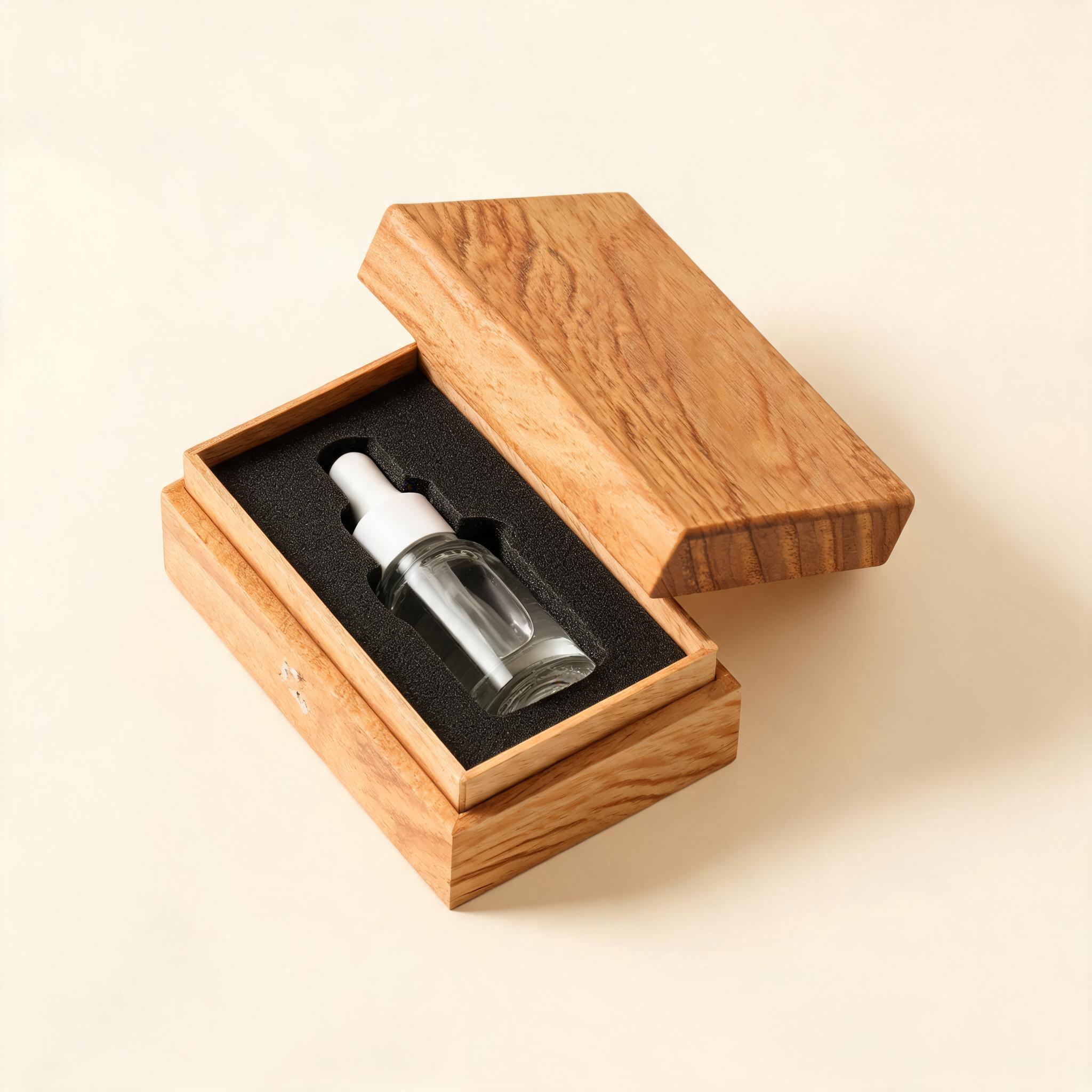
The species sets the tone and the price; the finish decides how it feels and how long it lasts.
Read more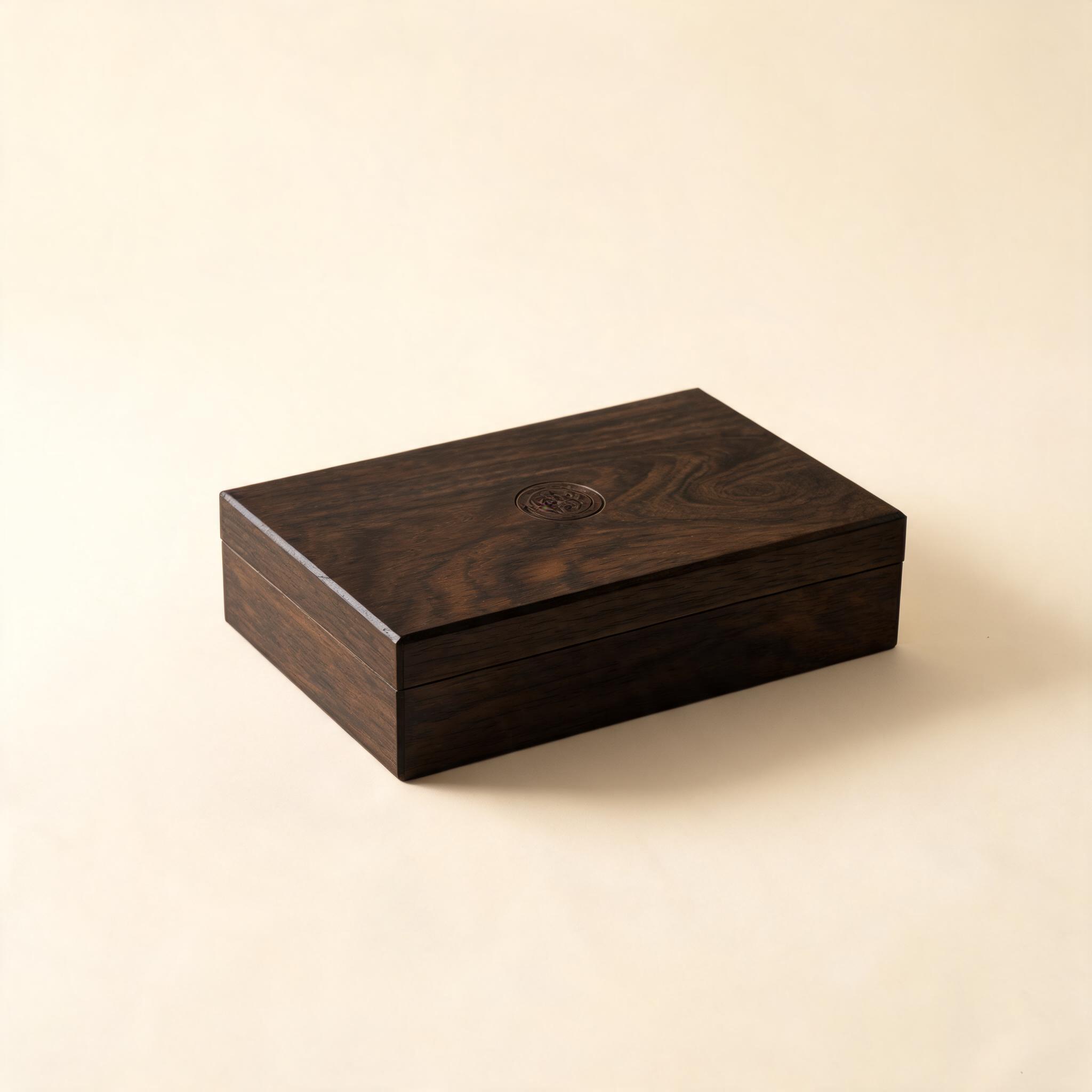
Engraving, foil, print or inlay — the technique decides whether the mark looks made for the material.
Read more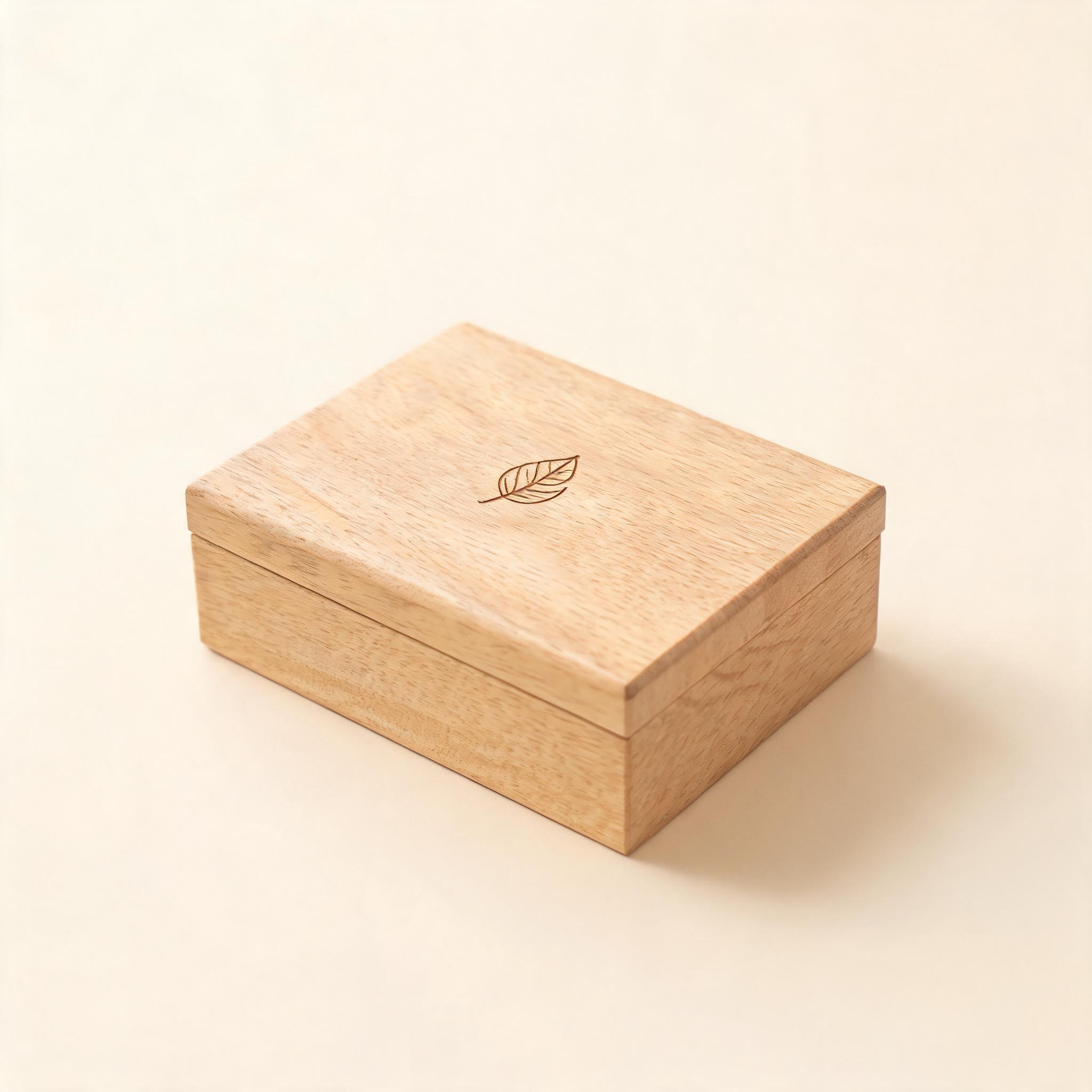
Your logo and identity applied by engraving, printing or inlay across the pack.
Read moreBack to the range
Send the brief — we'll come back with structure, material and finish options for colors & surface treatments, plus a clear quotation.